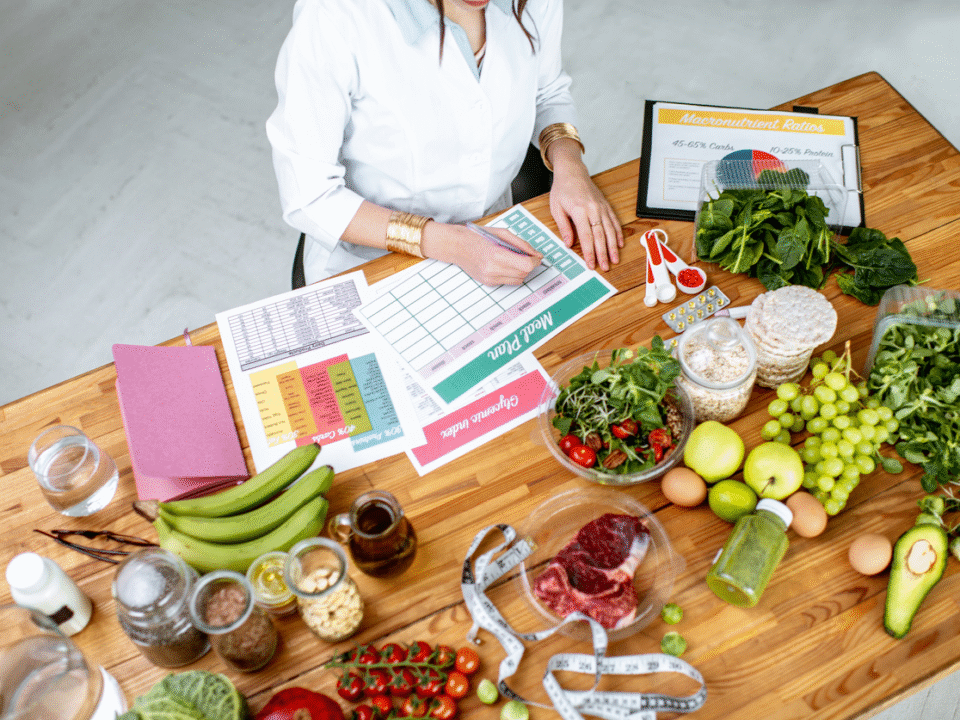
Personalized Nutrition Counseling: A Complete Guide to Better Health Through Personalized Eating
July 10, 2026
Comprehensive Eye Examination: Everything You Need to Know for Healthy Vision
July 10, 2026
Introduction
Life can feel like a race when you’re balancing work, school, sports, household chores, and family time. One of the biggest daily challenges for many parents is deciding what to cook. Without a plan, dinner often becomes a last-minute decision, leading to expensive takeout meals or unhealthy fast food.
This is where meal planning for busy families can make a huge difference. Meal planning is the simple habit of deciding your family’s meals ahead of time. It helps reduce stress, saves money, cuts food waste, and makes healthy eating much easier.
The good news is that meal planning doesn’t have to be complicated. Even spending just 20 to 30 minutes each week creating a meal plan can make your entire week run more smoothly. Whether you have toddlers, teenagers, or a large family, this guide will help you create a practical meal-planning routine that works for your lifestyle.
What Is Meal Planning?
Meal planning means deciding what meals your family will eat before the week begins. Instead of asking, “What’s for dinner?” every evening, you already know the answer.
A meal plan usually includes:
- Breakfast
- Lunch
- Dinner
- Healthy snacks
- Grocery shopping list
Some families plan for an entire week, while others prepare meals for two weeks or even a month.
The goal is to save time while making healthier food choices.
Why Meal Planning Is Important for Busy Families
Many families struggle with limited time. Between work schedules, school activities, homework, and errands, cooking can feel overwhelming.
Meal planning offers many benefits.
Saves Time
Instead of visiting the grocery store multiple times each week, you make one organized shopping trip.
You also spend less time wondering what to cook every evening.
Saves Money
Planning meals helps you buy only what you need.
This reduces:
- Impulse purchases
- Food waste
- Restaurant spending
- Grocery bills
Families often notice significant monthly savings after starting a meal-planning routine.
Encourages Healthier Eating
When meals are planned ahead, you’re more likely to prepare balanced dishes with:
- Fresh vegetables
- Fruits
- Lean proteins
- Whole grains
- Healthy fats
This helps everyone enjoy nutritious meals instead of relying on processed foods.
Reduces Daily Stress
One of the biggest benefits of meal planning for busy families is peace of mind.
Knowing exactly what’s for dinner removes one major daily decision.
Parents can spend more time with their children instead of stressing in the kitchen.
How to Start Meal Planning
Getting started is easier than many people think.
Step 1: Check Your Family Calendar
Before planning meals, look at everyone’s schedule.
Ask yourself:
- Which nights are busiest?
- Which evenings allow more cooking time?
- Are there sports practices or late meetings?
Choose quick meals on busy days.
Step 2: Plan Simple Meals
You don’t need gourmet recipes every night.
Simple meals often become family favorites.
Examples include:
- Grilled chicken with vegetables
- Pasta with homemade sauce
- Tacos
- Stir-fry
- Soup and sandwiches
- Baked potatoes
- Rice bowls
Step 3: Create a Grocery List
Write down every ingredient you need.
Organize your list into sections:
- Produce
- Dairy
- Meat
- Frozen foods
- Pantry items
Shopping becomes faster and more organized.
Step 4: Prep Food Ahead
Meal preparation doesn’t mean cooking everything.
Simple tasks include:
- Washing vegetables
- Cutting fruit
- Cooking rice
- Marinating chicken
- Boiling eggs
- Chopping onions
These small steps save valuable time during busy evenings.
Tips for Successful Meal Planning
Keep Meals Simple
Not every dinner needs multiple side dishes.
Healthy meals can be quick and easy.
Repeat Favorite Meals
Many families rotate the same 15–20 meals.
This saves planning time while keeping everyone happy.
Cook Extra Portions
Double recipes whenever possible.
Leftovers become:
- Lunches
- Freezer meals
- Easy dinners
Use Your Freezer
Freezing meals helps on extremely busy days.
Popular freezer meals include:
- Lasagna
- Chili
- Soup
- Meatballs
- Burritos
- Casseroles
Involve the Whole Family
Children enjoy helping with meal planning.
Ask each family member to choose one meal every week.
Kids are also more likely to eat food they helped select.
Easy Weekly Meal Planning Example
Here’s a simple weekly menu.
Monday
Grilled chicken, rice, broccoli
Tuesday
Taco night
Wednesday
Spaghetti with salad
Thursday
Vegetable stir-fry
Friday
Homemade pizza
Saturday
Slow cooker beef stew
Sunday
Roast chicken with potatoes
This schedule reduces daily decision-making while providing variety.
Healthy Snack Ideas
Busy families also need healthy snacks.
Easy options include:
- Apple slices
- Bananas
- Yogurt
- Mixed nuts
- Cheese sticks
- Carrot sticks
- Hummus
- Popcorn
- Hard-boiled eggs
- Fresh berries
Preparing snacks ahead helps reduce unhealthy choices.
Common Meal Planning Mistakes
Planning Complicated Recipes
Choose recipes that match your available time.
Simple meals are easier to prepare consistently.
Buying Too Much Food
Only purchase ingredients you truly need.
Check your pantry before shopping.
Ignoring Leftovers
Leftovers save both time and money.
Plan to use them creatively.
For example:
- Chicken becomes tacos.
- Rice becomes fried rice.
- Vegetables become soup.
Not Being Flexible
Unexpected events happen.
Don’t worry if your meal plan changes.
Simply move meals to another day.
Meal planning should reduce stress—not create more.
Helpful Kitchen Tools
Several kitchen tools make meal preparation faster.
Popular options include:
- Slow cooker
- Pressure cooker
- Rice cooker
- Air fryer
- Food processor
- Sharp chef’s knife
- Glass food containers
- Measuring cups
These tools help families prepare meals more efficiently.
Budget-Friendly Meal Planning Tips
Saving money is another major advantage.
Try these ideas:
- Buy seasonal produce.
- Purchase store brands.
- Compare grocery prices.
- Use coupons when available.
- Cook at home more often.
- Buy dry beans and rice in bulk.
- Freeze extra food.
- Avoid shopping while hungry.
Small savings each week can add up over the year.
Making Meal Planning a Family Habit
The best meal plans are realistic.
Choose one day each week to:
- Plan meals
- Check your pantry
- Create your grocery list
- Shop for ingredients
- Prepare vegetables
- Cook a few meals ahead
After several weeks, meal planning becomes a natural family routine.
You’ll likely spend less money, waste less food, and enjoy less stressful evenings together.
Conclusion
Meal planning for busy families is one of the easiest ways to simplify everyday life. It doesn’t require special cooking skills or expensive ingredients. With just a little planning, families can enjoy healthier meals, save money, reduce food waste, and spend more quality time together.
Start small by planning just a few dinners each week. As your confidence grows, you can expand your routine and discover what works best for your family. Remember, the goal isn’t perfection—it’s making family life easier, healthier, and more enjoyable.
Frequently Asked Questions (FAQs)
1. How far in advance should busy families plan meals?
Most families find that planning meals one week in advance works best. It provides enough flexibility while making grocery shopping easier.
2. How can I meal plan on a tight budget?
Focus on affordable ingredients like rice, beans, pasta, eggs, seasonal vegetables, and frozen produce. Buying in bulk and using leftovers also helps reduce costs.
3. Can meal planning help picky eaters?
Yes. Involving children in choosing meals and preparing food often encourages them to try new dishes and enjoy family meals more.
4. What are the easiest meals for busy weeknights?
Quick options include stir-fries, tacos, pasta dishes, sheet-pan chicken, soups, sandwiches, salads, and slow cooker recipes that require minimal preparation.
5. Is meal prepping the same as meal planning?
No. Meal planning involves deciding what you’ll eat throughout the week, while meal prepping means preparing some or all of those meals in advance. Many families combine both methods to save even more time.