
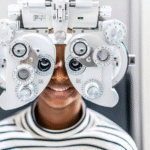
Comprehensive Eye Examination: Everything You Need to Know for Healthy Vision
July 10, 2026
Orthopedic Surgery Consultation: Everything You Need to Know Before Your Visit
July 10, 2026
Introduction
Our eyes are one of the most valuable parts of our body. They help us work, learn, drive, communicate, and enjoy the world around us. However, eye emergencies can happen at any time without warning. A sudden injury, severe pain, loss of vision, or exposure to harmful chemicals can quickly become a serious problem. In these situations, emergency eye care services are essential because they provide fast diagnosis and treatment that may save your eyesight.
Many people ignore eye symptoms, hoping they will disappear on their own. Unfortunately, delaying treatment can lead to permanent vision loss or long-term eye damage. Understanding what counts as an eye emergency and knowing where to get immediate medical help can make a huge difference.
In this guide, you’ll learn what emergency eye care services are, when you should seek urgent treatment, common eye emergencies, available treatments, prevention tips, and how to protect your vision for the future.
What Are Emergency Eye Care Services?
Emergency eye care services are specialized medical treatments provided when someone experiences a sudden eye problem that requires immediate attention. These services are designed to diagnose and treat conditions that could threaten your eyesight or cause permanent eye damage if left untreated.
Emergency eye care may be available at:
- Eye hospitals
- Ophthalmology clinics
- Emergency departments
- Urgent care centers with eye specialists
- 24-hour eye care clinics
The goal is to quickly identify the cause of the problem and begin treatment before permanent damage occurs.
Why Fast Treatment Matters
Eye injuries and diseases often progress rapidly. In many situations, every minute counts.
Quick treatment can help:
- Save your eyesight
- Prevent permanent vision loss
- Reduce pain and discomfort
- Stop infections from spreading
- Prevent complications
- Improve recovery time
Even symptoms that seem small at first can become serious if ignored.
Common Eye Emergencies
Several situations require emergency eye care services.
Sudden Vision Loss
Losing vision suddenly in one or both eyes is always a medical emergency.
Possible causes include:
- Retinal detachment
- Stroke
- Blocked blood vessels
- Severe glaucoma
- Eye trauma
Never wait to see if vision returns on its own.
Eye Injuries
Physical injuries can occur during:
- Sports
- Construction work
- Home repairs
- Car accidents
- Falls
Eye injuries may include:
- Cuts
- Scratches
- Penetrating wounds
- Blunt trauma
- Foreign objects inside the eye
Professional treatment reduces the risk of infection and permanent damage.
Chemical Exposure
Cleaning products, industrial chemicals, fertilizers, and even some household products can seriously damage the eyes.
If chemicals enter your eye:
- Rinse immediately with clean water.
- Continue flushing for at least 15–20 minutes.
- Seek emergency eye care immediately.
Never rub the eye after chemical exposure.
Severe Eye Pain
Mild irritation is common, but severe eye pain is not normal.
Pain may indicate:
- Acute glaucoma
- Eye infection
- Corneal ulcer
- Serious injury
- Inflammation
Any intense eye pain should be evaluated as soon as possible.
Flashes and Floaters
Seeing sudden flashes of light or a large number of new floaters could indicate:
- Retinal tear
- Retinal detachment
These conditions require immediate treatment to prevent blindness.
Eye Infections
Serious infections may develop quickly.
Symptoms include:
- Swelling
- Redness
- Thick discharge
- Blurred vision
- Pain
- Sensitivity to light
Some infections can permanently affect vision if untreated.
Symptoms That Require Immediate Medical Attention
Seek emergency eye care services if you experience:
- Sudden vision loss
- Double vision
- Severe eye pain
- Blood inside the eye
- Eye swelling
- Chemical burns
- Eye bleeding
- Foreign object stuck in the eye
- Large cuts around the eye
- Flashes of light
- Curtain-like shadow over vision
- Extreme redness with pain
- Sudden blurry vision
Never delay treatment for these symptoms.
What Happens During an Emergency Eye Examination?
The doctor will perform several tests to understand the problem.
These may include:
Vision Test
Your eyesight will be checked using an eye chart.
Eye Pressure Measurement
High pressure may indicate glaucoma.
Slit Lamp Examination
A special microscope allows the doctor to examine the front part of the eye.
Retina Examination
Eye drops may be used to enlarge your pupils so the retina can be examined.
Imaging Tests
Some emergencies require:
- Eye ultrasound
- CT scan
- MRI
- Optical imaging
These tests help identify hidden injuries.
Treatments Available
Treatment depends on the cause of the emergency.
Common treatments include:
Prescription Eye Drops
Doctors may prescribe drops to:
- Reduce infection
- Lower eye pressure
- Reduce inflammation
- Relieve pain
Antibiotics
Bacterial infections often require:
- Eye drops
- Ointments
- Oral medication
Severe infections may require intravenous antibiotics.
Eye Patching
Some injuries heal better when the eye is protected with a patch or shield.
Foreign Object Removal
Eye specialists use special instruments to safely remove particles from the eye.
Never try to remove embedded objects yourself.
Laser Treatment
Laser procedures may repair:
- Retinal tears
- Certain glaucoma conditions
- Bleeding inside the eye
Emergency Surgery
Some serious injuries require immediate surgery, including:
- Retinal detachment
- Eye rupture
- Severe trauma
- Internal bleeding
Early surgery often improves the chance of preserving vision.
What You Should Do Before Seeing the Doctor
If an eye emergency happens:
- Stay calm.
- Avoid rubbing your eye.
- Protect the injured eye.
- Do not remove objects stuck inside.
- Flush chemical burns with water.
- Avoid wearing contact lenses.
- Seek emergency medical care immediately.
Taking the right first steps can prevent additional injury.
What You Should Never Do
Avoid these common mistakes:
- Do not rub the eye.
- Do not use random eye drops.
- Do not apply pressure.
- Do not attempt to remove embedded objects.
- Do not delay treatment.
- Do not wear contact lenses after an injury.
- Do not ignore sudden vision changes.
These actions may worsen the damage.
Who Is at Higher Risk?
Some people have a greater chance of experiencing eye emergencies.
Risk factors include:
- Older adults
- People with diabetes
- High blood pressure patients
- Construction workers
- Factory employees
- Athletes
- Contact lens users
- People with previous eye diseases
Regular eye examinations can help detect problems before they become emergencies.
Preventing Eye Emergencies
Many emergencies can be prevented with simple precautions.
Wear Safety Glasses
Protective eyewear should be worn during:
- Woodworking
- Construction
- Yard work
- Sports
- Laboratory work
Handle Chemicals Carefully
Always read product labels and wear eye protection when using strong cleaning products or industrial chemicals.
Practice Contact Lens Hygiene
Always:
- Wash your hands first.
- Clean lenses properly.
- Replace lenses as directed.
- Never sleep with lenses unless approved by your doctor.
Control Chronic Diseases
Managing diabetes and high blood pressure helps reduce the risk of serious eye complications.
Attend Routine Eye Exams
Regular eye checkups allow doctors to detect hidden problems before they become emergencies.
Recovery After an Eye Emergency
Recovery depends on:
- The type of injury
- How quickly treatment began
- Overall eye health
- Age
- Following medical instructions
Some people recover within days, while others need weeks or months.
Following your doctor’s advice is essential for the best outcome.
When Should You Call Emergency Eye Care Services?
You should seek immediate medical help if you experience:
- Complete or partial vision loss
- Severe eye pain
- Eye injury
- Chemical exposure
- Bleeding from the eye
- Large cuts around the eye
- Sudden flashes or floaters
- Eye swelling with vision changes
When it comes to your eyesight, it is always safer to be evaluated by a medical professional than to wait and hope the problem improves.
Final Thoughts
Your eyesight is precious, and many eye emergencies require immediate attention to prevent lasting damage. Emergency eye care services are designed to provide fast diagnosis and treatment for injuries, infections, sudden vision loss, and other urgent conditions. Recognizing the warning signs and seeking prompt medical care can greatly improve the chances of protecting your vision.
Whether it is a workplace injury, a sports accident, a chemical splash, or sudden changes in your eyesight, never ignore serious symptoms. Acting quickly, following first-aid recommendations, and receiving expert medical treatment can make all the difference. Taking preventive steps, such as wearing protective eyewear and scheduling regular eye exams, also plays an important role in maintaining healthy vision for years to come.
Frequently Asked Questions (FAQs)
1. What qualifies as an eye emergency?
An eye emergency includes sudden vision loss, severe eye pain, chemical burns, eye injuries, retinal detachment symptoms, foreign objects in the eye, or significant bleeding. These conditions require immediate medical evaluation.
2. Can I go to urgent care for an eye emergency?
Yes, many urgent care centers can evaluate eye problems, but serious injuries or sudden vision loss may require treatment by an ophthalmologist or at a hospital emergency department.
3. What should I do if something gets stuck in my eye?
Do not rub your eye or try to remove an object that is embedded. If it is a loose particle, gently rinse with clean water. If it remains or has penetrated the eye, seek emergency eye care immediately.
4. Are flashes of light always an emergency?
Sudden flashes of light, especially when accompanied by many new floaters or a shadow over your vision, may be a sign of a retinal tear or detachment and should be examined immediately.
5. How can I reduce the risk of eye emergencies?
Wear protective eyewear during hazardous activities, handle chemicals safely, practice proper contact lens hygiene, manage chronic health conditions, and schedule regular eye examinations to maintain healthy vision.

