Understanding Minimally Invasive Spine Surgery
August 10, 2026
How Internal Medicine Addresses Chronic Illnesses
August 19, 2026
Uterine fibroids are common growths that can cause symptoms such as pelvic pressure, heavy menstrual bleeding, and frequent urination. Uterine fibroid embolization is a minimally invasive procedure that shrinks fibroids by reducing their blood supply. A healthcare provider can determine whether this treatment is appropriate based on a person’s symptoms and medical history. Here is more information on what to expect from uterine fibroid embolization:
Understanding Uterine Fibroids
Uterine fibroids are noncancerous growths that develop in or on the uterus and vary in size, number, and location. Some people experience no symptoms, while others may develop pelvic pressure and heavy menstrual bleeding, as well as frequent urination and abdominal fullness. A healthcare provider is able to evaluate symptoms and discuss treatment options based on each person’s needs.
Recognizing Fibroid Symptoms
Some uterine fibroids do not cause symptoms, while others may affect daily comfort and routine activities. Common symptoms often include:
- Pelvic pain or pressure
- Heavy or prolonged menstrual bleeding
- Frequent menstrual cycles
- Pain during intercourse
- Frequent urination
- Constipation
A healthcare provider may use imaging, such as ultrasound or MRI, to diagnose fibroids and evaluate their size and location.
Understanding Fibroid Embolization
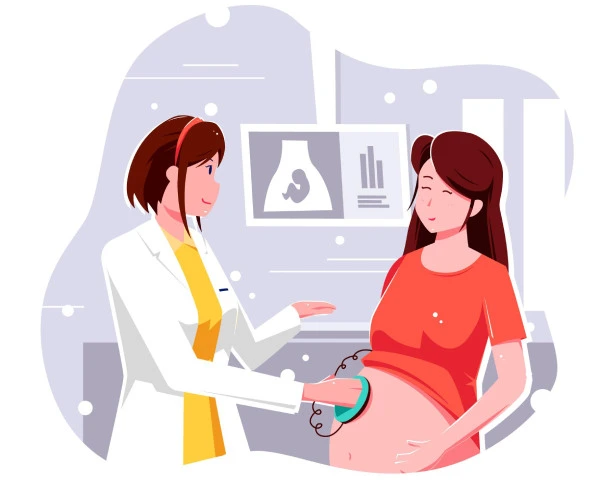
Uterine fibroid embolization is a minimally invasive procedure that reduces blood flow to uterine fibroids. During the procedure, a provider guides a thin catheter into the arteries supplying the fibroids. Tiny particles are released to reduce blood flow, allowing the fibroids to shrink over time.
The procedure typically uses minimal sedation instead of general anesthesia. Recovery varies for each person, and a healthcare provider can determine whether fibroid embolization is an appropriate treatment option based on individual symptoms and medical history.
Preparing for the Procedure
Preparation instructions vary based on each person’s medical history and treatment plan. A healthcare provider reviews medications, medical history, and pre-procedure guidelines before treatment. Patients also receive instructions about eating, drinking, and arranging transportation home after the procedure.
Recovering After Treatment
Recovery after fibroid embolization varies from person to person. Some people experience pelvic discomfort, cramping, fatigue, or mild flu-like symptoms during the first few days. A healthcare provider can recommend ways to help manage these symptoms and answer questions during recovery.
Menstrual changes may occur as the fibroids respond to treatment. Some people notice heavier bleeding or spotting during the first few cycles after the procedure. Follow-up appointments help monitor healing, evaluate symptom changes, discuss recovery progress, and determine whether additional care or recommendations are needed based on each person’s experience.
Many people gradually return to their usual activities as they recover. Recovery timelines depend on individual health factors and the body’s response to treatment. A healthcare provider can explain what to expect during recovery.
Schedule Your Uterine Fibroid Embolization Consultation
Uterine fibroid embolization is a minimally invasive treatment option for some people with symptomatic uterine fibroids. A healthcare provider can determine whether this procedure fits your symptoms and medical history. Treatment goals focus on reducing fibroid blood supply and managing related symptoms. Recovery and results vary from person to person. Contact a qualified provider to schedule a consultation and learn more about your treatment options.