The Impact of Flat Feet on Athletic Performance
September 7, 2026
Recognizing the Relationship Between Plantar Warts and Foot Hygiene
September 11, 2026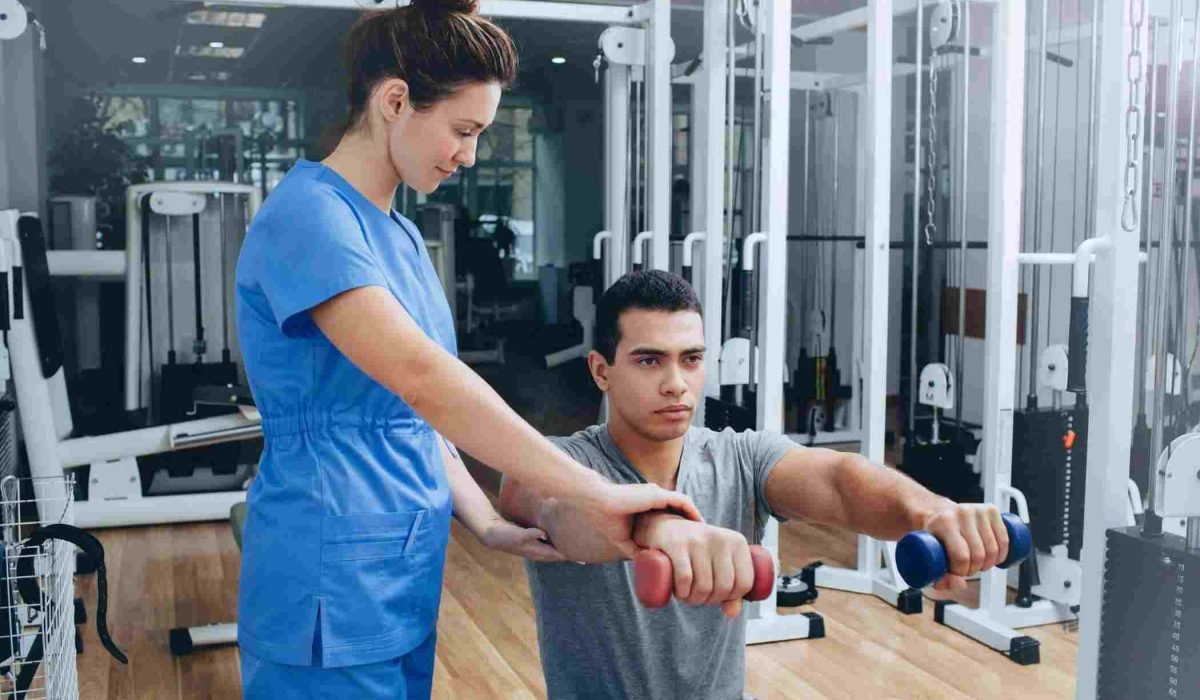
The anterior cruciate ligament (ACL) stabilizes your knee during movement. When you get an ACL tear, your knee loses support, and recovery becomes a deliberate process. Rehabilitation takes structure, so your plan should follow clear stages. Your provider outlines what to expect, and they explain how each choice supports your progress toward stability.
Protection Strategies for Your Knee
Your knee needs stability while inflammation settles, and early care prevents further strain. Protection comes first after an ACL tear. Your provider may recommend immobilization for a set period, which allows swelling to decrease before active rehabilitation. A knee brace adds structure during daily tasks, and it can guide you as you begin to bear weight again. Some braces are rigid and designed for early protection, while others offer flexible support as your strength improves. Small adjustments to your daily routine, like using support when climbing stairs or avoiding uneven surfaces, help protect the joint between therapy sessions. Follow your provider’s restrictions closely. Reduce your risk of setbacks while you build a foundation for the next stage.
Rehabilitation Exercises and Progress
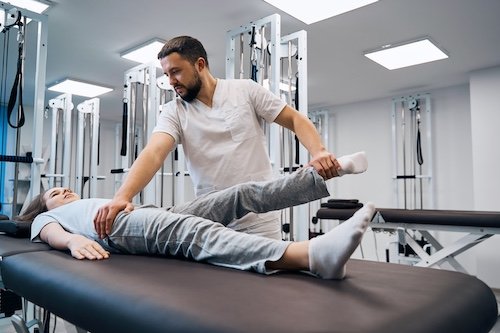
Rehabilitation restores strength and motion. A therapist designs exercises for your specific needs, so your program matches your current ability and your goals. As your strength improves, your therapist will introduce more challenging movements to rebuild functional stability. Common exercises used across rehabilitation stages include:
- Quad sets and straight leg raises: Reactivate key muscles without overloading the healing ligament.
- Heel slides: Restore early range of motion in a controlled, low-impact way.
- Step-ups and resistance training: Build functional strength as your knee progresses.
- Balance and coordination drills: Retrain positional awareness to lower re-injury risk.
Treatment Decisions and Your Options
Since decisions about treatment shape your recovery path, make them with your provider. Some people recover well with conservative, non-surgical methods, and these approaches combine physical therapy with activity changes. This route often suits those with lower physical demands, so your lifestyle informs the choice. Conservative care focuses on building strength in the muscles. Your provider will monitor your progress and adjust your plan if your knee shows signs of ongoing instability. Surgical reconstruction is another option, and it rebuilds the torn ligament to restore knee stability.
The procedure uses a graft to replace the torn ligament, and recovery from surgery follows its own structured rehabilitation timeline. Post-surgical physical therapy matters because the graft needs time and progressive loading to integrate and strengthen. Discuss both paths with your provider, weigh your goals against your recovery timeline, and you can select the option that fits your situation. Ask about the expected recovery duration for each route, because timelines differ. That information helps you plan. Physical therapy remains part of the plan.
Treat Your ACL Tear Today
Recovery after an ACL tear follows defined stages. Protect the joint first, commit to physical therapy, and choose a treatment path with your provider. Each step builds on the last, so a steady approach supports lasting stability. Talk with your care team, review your options, and begin your rehabilitation journey with a plan you understand.