Why You Should Consult a Melanoma Dermatologist for Skin Changes
August 25, 2026
Tips for Discussing Sleep Apnea With Your Family Dentist
August 26, 2026
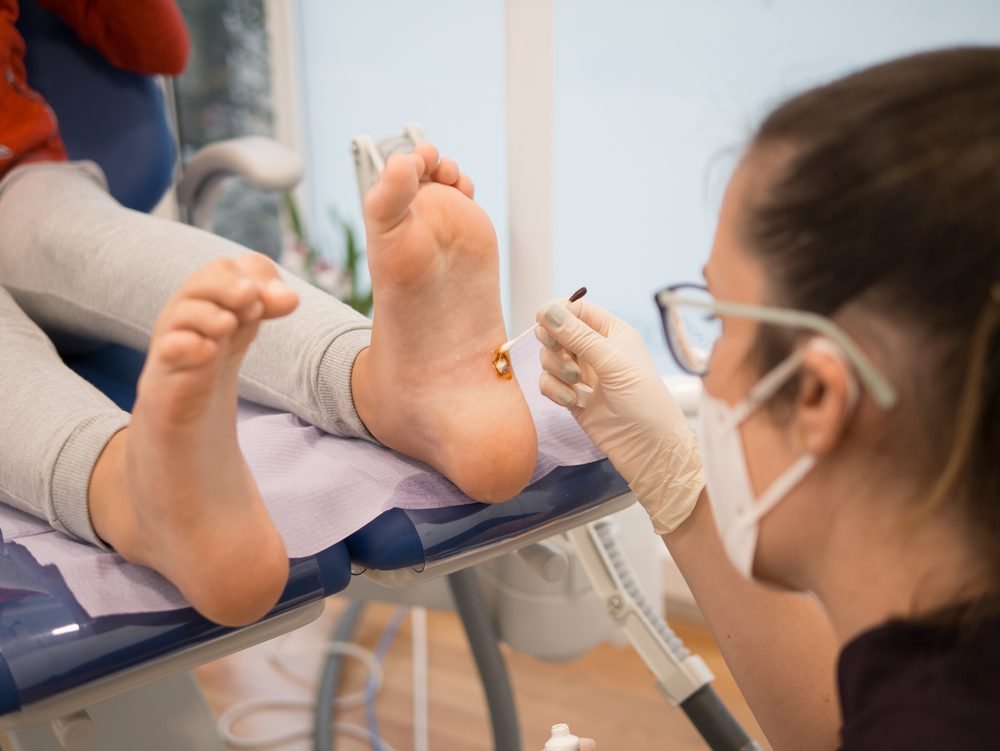
Diabetes changes how your body heals. High blood sugar damages nerves and blood vessels, and these changes affect your ankles too. An ankle wound often starts small, but it can worsen quickly when circulation and sensation decline. Nerve damage dulls pain signals, so you may not notice an injury, and delayed care allows minor cuts to become larger.
Causes Behind Wounds in Diabetes
Two main factors put your ankles at risk. You might step on something sharp, but numbness sometimes hides the injury, letting the ankle wound go untreated for days. A swollen leg can add pressure to the skin, raising your risk of breakdown. Diabetes also affects the skin’s natural defenses. These small cracks create entry points for bacteria and often go unnoticed without regular inspection. Poor footwear can rub against the ankle, and friction creates wounds that are slow to close. Checking your ankles daily gives you the best chance of catching problems early. Recognizing these causes lets you monitor your ankles more closely, and you can take action before small issues grow.
Complications Following Untreated Wounds
Small wounds can lead to large problems. Reduced circulation delays healing, so a wound that should close in weeks may linger for months. Infection can reach deeper layers of tissue than expected. Bacteria can travel from the skin into underlying bone. This condition is called osteomyelitis. Surgical wound care is sometimes needed to remove infected tissue, since it can travel.
An open wound also increases the risk of a wound spreading upward, and that progression complicates treatment. Blood sugar control plays a direct role in outcomes, and keeping levels stable supports the healing process. Swelling around the ankle can restrict blood flow, making it harder for the body to fight infection. Early attention lowers these risks. This helps keep complications manageable.
Care Options for Wounds
Treatment focuses on healing the wound while protecting the tissue. Your provider will assess the wound’s depth and size, and this evaluation guides the right course of treatment. Offloading pressure from the ankle is also a key part of care, and protective footwear or bracing can reduce friction so tissue has a chance to recover. Your care team may coordinate across specialties. That teamwork checks that every factor affecting your wound is addressed. Common treatment options include:
- Specialized Wound Care: Cleans the injury, removes dead tissue, and supports new skin growth
- Prescription Wound Care Products: Target infection and create a moist environment that supports faster healing
- Skin Grafting or Flap Reconstruction: Restores the skin’s protective barrier when wounds are too large to close on their own
- Diabetic Foot Care: Regular professional checks catch problems early before they develop into ulcers
- Neuropathy and Blood Sugar Management: Stable glucose levels directly support the healing process and reduce recurrence
Treat Your Ankle Wound Today
Ankle wounds deserve prompt attention when you have diabetes. Check your ankles daily, since you can contact a wound care specialist at the first sign of injury. Early treatment protects your circulation, and it can lower your risk of infection and limb loss. Schedule an evaluation today so your provider can build a care plan that fits your needs.