
When Is Medical Help Beneficial for Weight Loss?
August 31, 2026
Innovative Approaches to Pain Management in Modern Healthcare
August 31, 2026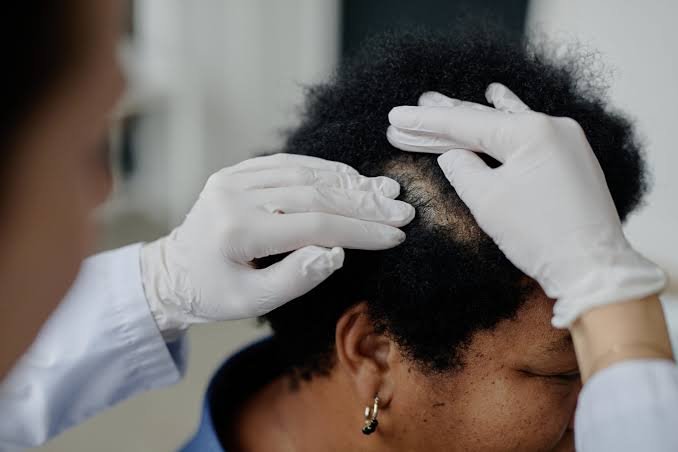
Hair loss affects many adults, and it typically starts gradually with thinning at the crown or hairline. Hair loss treatment ranges from topical solutions to platelet-rich plasma (PRP) therapy, a procedure that uses your own blood components. When you understand how these options work, you make choices that fit your goals. Here are some of the main ways treatments support your scalp and hair:
Stimulated Hair Follicles
Follicles need steady blood flow to function, and hair loss treatment targets this supply directly. PRP therapy delivers growth factors to areas where activity has slowed. Since these growth factors signal cells near the follicle, the scalp may respond over several sessions.
When follicles receive consistent nourishment, some enter a more active phase. Topical treatments work through a different path, and they aim to widen small blood vessels around each follicle. This wider flow brings more oxygen and nutrients to the root.
Healthier Hair
Treatments do more than count strands, and they also affect scalp condition. A balanced scalp supports strands that feel stronger and look fuller. When circulation improves, the environment around each follicle changes for the better.
You can support your results at home with a few simple habits. These steps pair well with in-office care:
- Wash gently and avoid harsh products
- Limit tight hairstyles that pull at the roots
- Eat a diet with adequate protein and iron
Small daily choices add up, and they protect the progress you make in the clinic. As healthy hair reflects a healthy scalp, your routine plays a significant part. Regular check-ins help your specialist adjust the plan as your scalp responds.
Induced Regrowth
Regrowth begins when dormant follicles shift back into their growth cycle. In some cases, treatments aim to shorten the resting phase so hair emerges sooner. You may notice fine, short strands first, and these often thicken with time.
Results vary by person, and factors like age and cause of loss may play a role. A specialist reviews your scalp before recommending a plan. Since each case differs, your timeline depends on your specific pattern of loss.
Regular maintenance helps support sustained hair regrowth. Hair requires consistent care and nourishment to thrive, and this includes the use of specialized shampoos, a healthy diet, and hydration. While treatments can stimulate follicles, incorporating these practices into your routine supports long-term results, since environmental and lifestyle factors can also influence the growth process.
Preserved Remaining Follicles
Protecting the hair you still have matters as much as encouraging new growth. Some medications slow the hormonal process that shrinks follicles over time. When you start early, you keep more active follicles in place.
Preservation strategies often include a mix of approaches, and a specialist tailors them to your needs. Typical options include:
- Topical minoxidil applied to thinning areas
- Oral or topical medications that address hormonal factors
- Scheduled PRP sessions to maintain follicle activity
These methods focus on stability, and they reduce the pace of further thinning. Consistency drives the outcome, so your routine matters between visits. A steady plan gives your remaining follicles a better chance to stay productive.
Schedule Hair Loss Treatment
Each hair loss treatment plan looks different, and a trained specialist matches the approach to your scalp and history. Since results depend on your specific situation, an assessment gives you a clear starting point. Book a consultation to review your options and ask questions about each method. Reach out today to schedule your appointment and start a plan built around your needs.