
Exercise Tips for Weight Loss
September 1, 2026
Simple Solutions for Back Pain Relief
September 3, 2026
Plastic surgery involves complex decisions about procedures, expected results, recovery, and potential risks. Researching options can help patients understand the process and make informed choices. Here is a closer look at the necessity of researching plastic surgery options:
Compare Available Procedures
Different goals require different plastic surgery procedures, and understanding your options helps you narrow your focus. When you match your goals to the right procedures, you make the selection process more manageable. Reviewing common categories can clarify where your interest lies. Here are a few broad groups that adults often explore:
- Facial procedures: These target areas of the face and may address contour, volume, or skin appearance.
- Breast procedures: These focus on the size, shape, or position of the breasts and often follow pregnancy or personal preference.
- Body contouring: These reshape areas such as the abdomen, hips, or thighs, and they frequently follow weight changes.
Verify Surgeon Qualifications
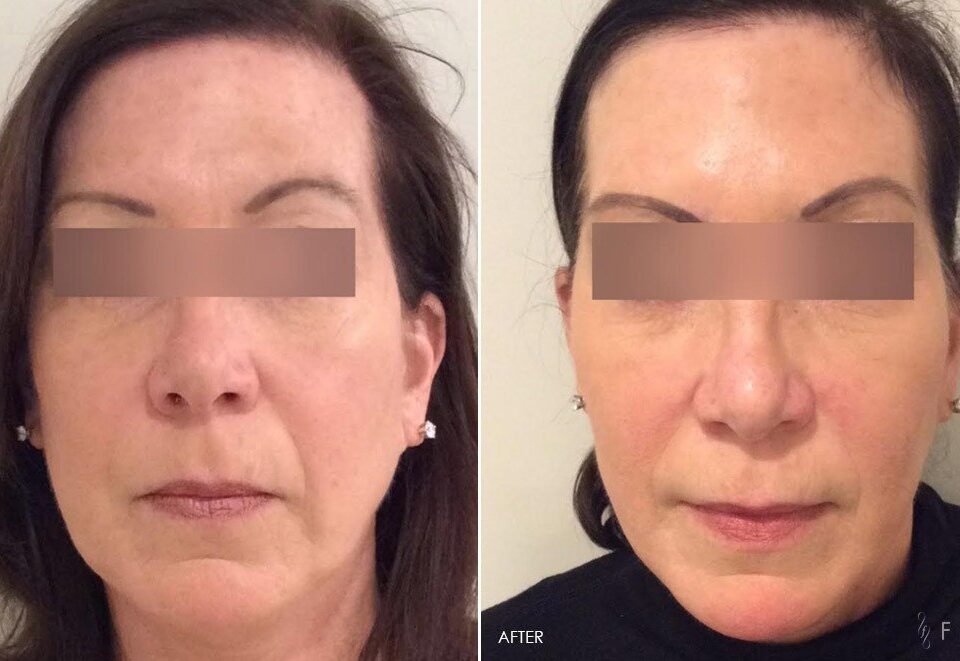
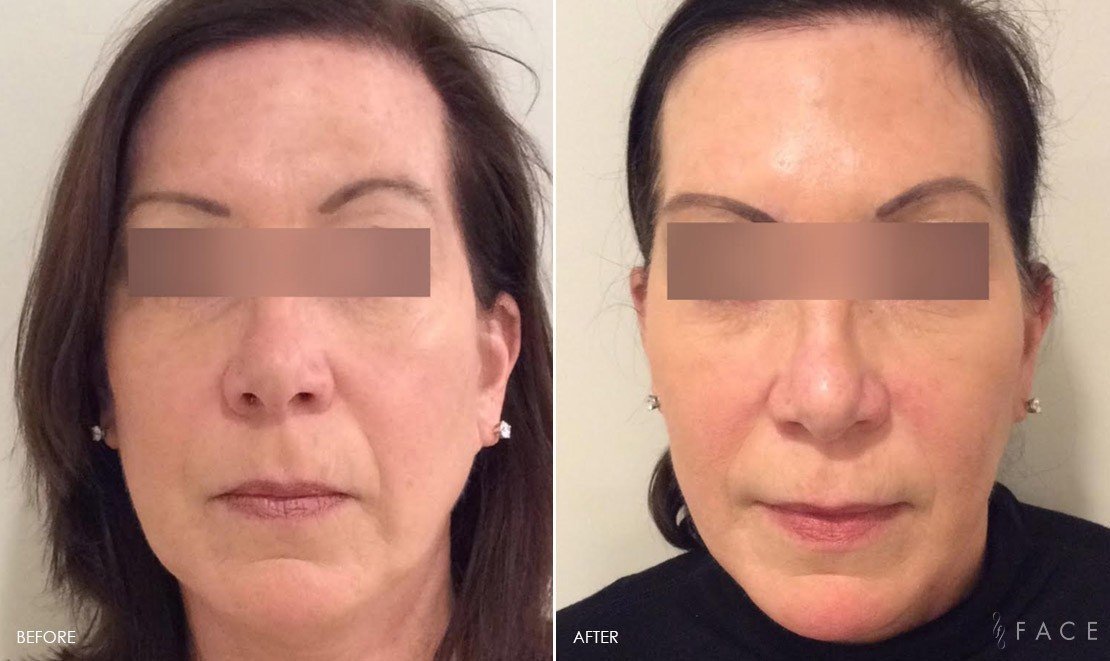
The surgeon you select influences much of your experience, so confirming their credentials is a fundamental step. A surgeon’s experience with your specific procedure is key. Ask how often they perform the procedure you want, and request to view before-and-after documentation of past work. A surgeon who communicates clearly and answers your questions supports an informed choice.
Understand Risks and Recovery
Every plastic surgery procedure involves some level of risk, and understanding these factors helps you prepare. Recovery timelines vary by procedure, and your personal health often influences how the process unfolds. Recovery often involves several practical factors worth reviewing before your procedure. Here are some common concerns:
- Time off: Many procedures require days or weeks away from work or daily routines.
- Physical limits: You may need to avoid lifting, exercise, or certain movements for a period.
- Follow-up visits: Your surgeon may schedule appointments to monitor your progress.
- Support at home: You may need help with tasks during the early days of recovery.
Set Realistic Treatment Expectations
Clear expectations can influence how satisfied you are with your results. Plastic surgery can change appearance, but it works within the limits of your anatomy and the procedure itself. When you understand these boundaries, you approach your outcome with grounded goals.
Open conversations with your surgeon help align your expectations with likely results. Bring reference images if you have them, and ask your surgeon to explain what the procedure can and cannot achieve. A candid discussion protects you from disappointment and strengthens trust between you and your provider.
Timing also affects how you view your results. Swelling and healing can mask final outcomes for some time. When you contemplate the full timeline, you give your body the space it needs to settle into its final form.
Learn More About Plastic Surgery
Understanding the realities of surgery is fundamental to achieving your results. An open dialogue with your surgeon supports realistic expectations and builds mutual trust. Understanding recovery timelines helps you manage your commitment and perspective. Approaching your procedure with knowledge and preparation can help you make informed decisions and have a positive experience. Contact a qualified plastic surgeon near you to book your appointment and learn more about plastic surgery today.