
What To Know About Osteoporosis and Aging
September 4, 2026
Tips for a Successful Rehabilitation Journey After an ACL Tear
September 11, 2026
Flat feet occur when the arches of your feet flatten out and touch the ground, and some people are born with this condition. If you play sports, this foot structure changes how your body absorbs shock during movement. The way your feet strike the ground affects your knees, hips, and lower back. Here is more information about the impact of this condition on your athletic performance:
Leg Cramps
Leg cramps affect people whose feet overpronate during motion. Overpronation rolls the foot inward, and this twist travels up the leg. Your calf muscles fire harder to stabilize each step, which leaves them fatigued. Cramping tends to strike during intense efforts.
The muscles work overtime when you have flat feet. Hydration matters, but structural issues keep the tension going. A specialist reviews your movement to confirm the cause. If cramps hit the same muscles repeatedly, your gait may be the source.
Shin Splints
Shin splints appear as pain along the front or inside of your lower leg. Flat feet increase the pull on the muscles that attach to the shin. Running on hard surfaces adds to that stress, and the pain sharpens over weeks. You might feel tenderness when you press along the bone. Certain habits raise your risk of shin splints. When this occurs, watch for these triggers:
- Sudden jumps in training distance or intensity
- Worn-out shoes with little support
- Repeated activity on concrete or pavement
Adjusting these factors lowers the strain on your shins. Reducing impact gives the muscles time to recover, and gradual progress protects the tissue. If pain lingers past a rest week, a checkup helps.
Arch Pain
Arch pain shows up first for many flat-footed athletes. Your arch works like a spring, and it stores energy with each stride. When that spring flattens, the muscles around it strain to compensate. You might feel a dull ache after long runs or jumps.
The pain often worsens as your mileage increases. Rest helps in the short term, but the discomfort returns once you resume activity. Since the arch supports your whole foot, weakness there spreads pressure to nearby tissues. Athletes sometimes describe a burning sensation along the bottom of the foot.
Simple footwear changes ease some of this strain. Supportive shoes redistribute the load across your foot. If your arch collapses inward, targeted support helps hold it in a neutral position. Many athletes track their pain levels to spot patterns.
Ankle Rolls
Ankle rolls happen more often when your feet lack a firm base. A flattened arch shifts your weight toward the inner edge of your foot. This position makes the ankle less stable during quick cuts or landings. Athletes in sports with sharp direction changes face higher odds.
Sprains set your training back, and repeated rolls weaken the joint further. A few steps lower your risk:
- Strengthen the muscles around your ankles
- Wear shoes with a stable heel and sole
- Warm up before fast movements
These steps build a steadier foundation over time. Since stability starts at the foot, addressing your arches supports the whole chain. Consistent practice reinforces the joint.
Get Examined for Flat Feet
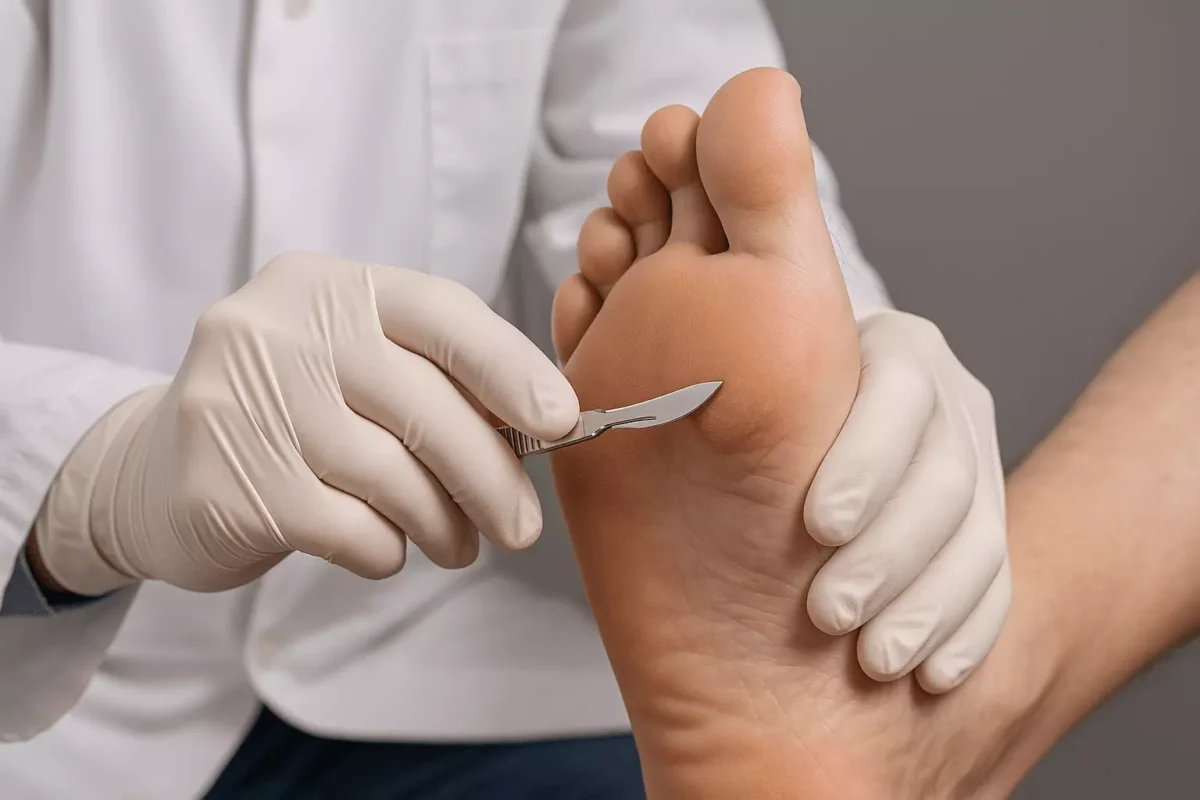
Flat feet influence how you move, and small problems often grow with repeated stress. Arch pain, cramps, shin splints, and ankle rolls share a common root in foot structure. If you notice these signs during training, an evaluation clarifies what your feet need. A specialist examines your gait and recommends a plan suited to your sport. Book an appointment with a foot specialist to get your feet examined today.