

Recognizing the Relationship Between Plantar Warts and Foot Hygiene
September 11, 2026
The Role of Your Ob/Gyn in Menopause Management
September 24, 2026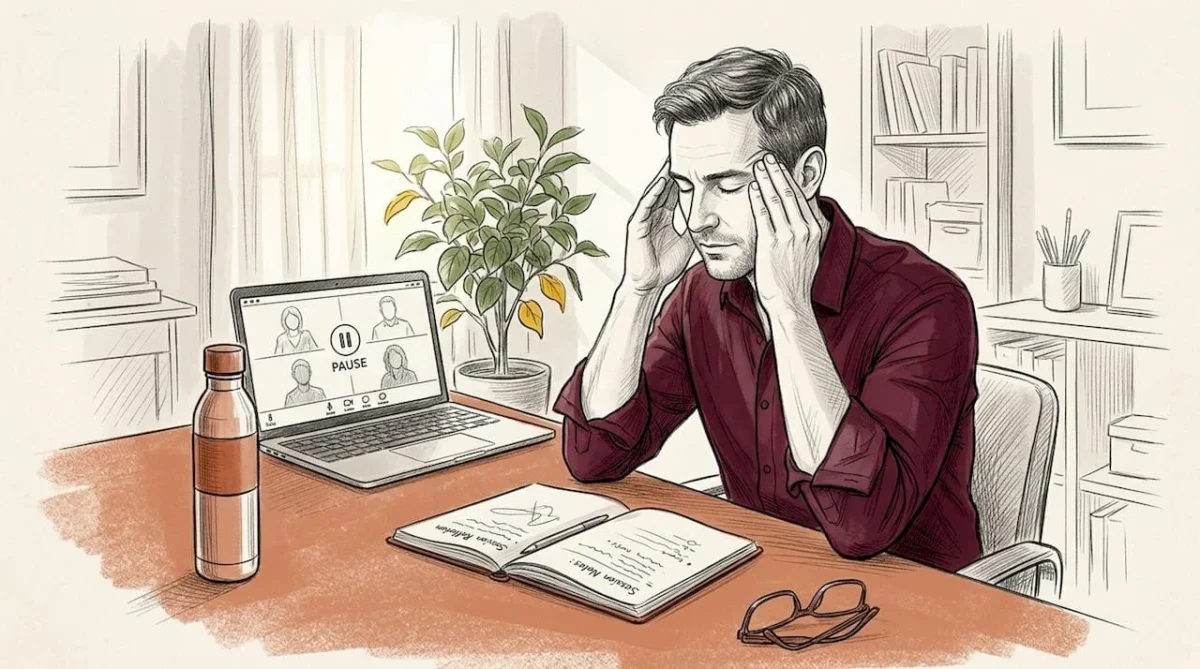
PTSD affects more than emotional well-being. It is also associated with sleep problems, chronic pain, and other physical health concerns. Understanding these connections can help people recognize when to discuss their mental and physical symptoms with a healthcare professional. Here’s more information on the connection between PTSD and physical health:
Stress Responses
Trauma leaves the body’s stress system on high alert long after the danger has passed. When PTSD keeps that alarm switched on, the body releases stress hormones repeatedly, and this flow can strain many systems over time. This heightened state shows up in several recognizable ways, and understanding them can help you describe your experience during an evaluation. Here are some of them:
- Muscle tension: Ongoing alertness keeps muscles tight, which may lead to soreness and stiffness.
- Rapid heartbeat: The body prepares for action even in calm settings, so the pulse may increase without a clear cause.
- Digestive changes: Stress signals affect the gut, and appetite or digestion can change as a result.
Sleep and Recovery Disruption
Sleep is the period when the body repairs tissue and processes the day’s events; PTSD frequently interrupts this cycle. Nightmares, frequent waking, and difficulty falling asleep are widely reported, and each one affects the rest your body needs. Poor sleep, in turn, can worsen daytime symptoms, so the problem tends to feed itself. When recovery time is reduced, the effects extend beyond feeling tired. A structured evaluation reviews your sleep patterns and helps identify how disrupted rest connects to your other symptoms.
Pain and Physical Symptoms
Some people with PTSD report pain that has no obvious injury behind it, and researchers note a frequent overlap between trauma and persistent discomfort. Heightened stress responses can amplify how the nervous system registers pain, so ordinary aches feel sharper or last longer. This link is a key reason to describe physical complaints during any assessment. Some physical symptoms show up often enough that clinicians look for them during a PTSD review. Here are some of them:
- Headaches: Tension and disrupted sleep can trigger frequent or lingering head pain.
- Back and joint pain: Sustained muscle tightness places extra load on the spine and joints.
- Fatigue: Poor rest and constant vigilance drain energy reserves throughout the day.
Heart Health
Repeated stress responses place ongoing demands on the cardiovascular system, and researchers studying long-term outcomes have drawn attention to this pattern. Elevated heart rate and blood pressure during periods of heightened alertness can add strain over time. Heart health, for this reason, is a fundamental part of the conversation when PTSD is untreated. Lifestyle factors often tied to PTSD, such as poor sleep and reduced physical activity, can compound these effects. A thorough evaluation looks at the whole person, and it reviews how emotional and physical health influence each other.
Schedule Your PTSD Evaluation Today
Untreated PTSD can significantly affect both emotional and physical well-being, including increasing risks to heart health. Lifestyle changes, such as disrupted sleep and decreased physical activity, may amplify these risks. A comprehensive evaluation that addresses the interconnected nature of mental and physical health is key to early intervention and potentially reduced long-term impacts. Contact a qualified healthcare provider near you to schedule your PTSD evaluation today.