

Best Toothbrush for Healthy Teeth: A Complete Guide to Choosing the Right One
July 10, 2026
Ciulioneros: The Emerging Digital Movement, Creative Community, and Future of Online Innovation
July 10, 2026
Rail transportation remains one of the most important industries in the United States. Every day, millions of tons of goods move across the country by rail, supporting manufacturing, agriculture, energy, retail, and international trade. Behind this complex transportation network are experienced leaders who shape business strategy, improve customer service, and guide long-term growth. One such leader is Claude Edward Elkins Jr.
Known for his extensive experience in railroad operations and commercial leadership, Claude Edward Elkins Jr has built a reputation as a strategic executive who understands every aspect of the freight rail business. His leadership at Norfolk Southern demonstrates how operational expertise combined with customer-focused decision-making can help one of America’s largest freight railroads remain competitive in a rapidly changing transportation market.
With more than three decades of experience in the rail industry, Claude Edward Elkins Jr has successfully held positions involving operations, marketing, network planning, transportation management, and executive leadership. His promotion to Executive Vice President and Chief Commercial Officer reflects years of dedication, continuous learning, and measurable business success.
This comprehensive guide explores his career, leadership philosophy, contributions to Norfolk Southern, industry influence, and why his work matters to customers, investors, employees, and the future of rail transportation.
Who Is Claude Edward Elkins Jr?
Claude Edward Elkins Jr is an American railroad executive serving as the Executive Vice President and Chief Commercial Officer at Norfolk Southern Corporation. In this executive role, he oversees the company’s commercial organization, including:
- Marketing
- Sales
- Customer engagement
- Business development
- Pricing strategy
- Network growth
- Commercial planning
His responsibility extends beyond simply generating revenue. He helps shape how Norfolk Southern competes within the North American freight transportation market while ensuring customers receive reliable and efficient transportation solutions.
Throughout his career, Claude Edward Elkins Jr has demonstrated a unique ability to connect operational excellence with commercial success. This balance has become one of his defining leadership strengths.
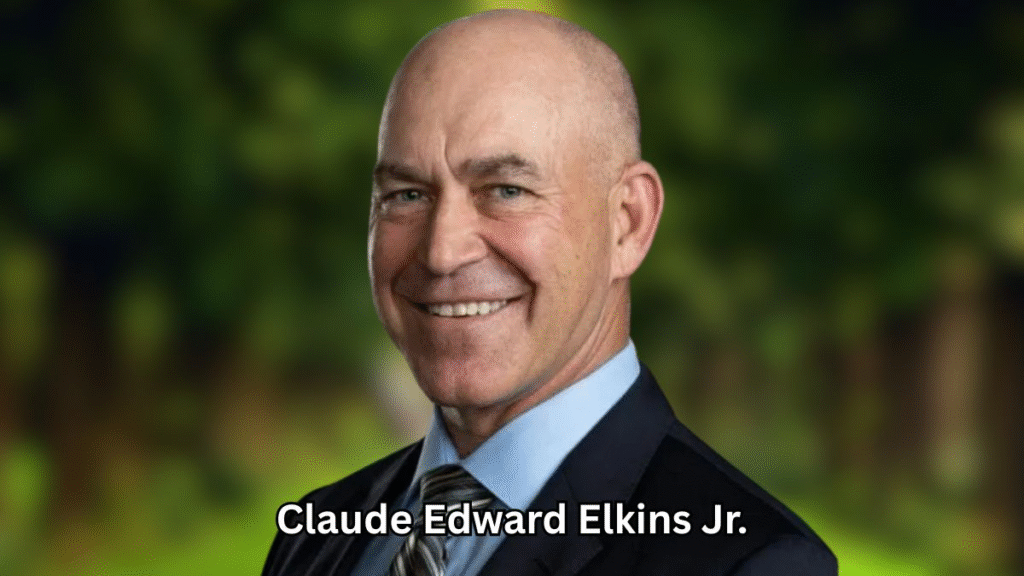
Why Claude Edward Elkins Jr Is Important in the Railroad Industry
Many executives specialize in either operations or sales. Few possess deep expertise in both.
Claude Edward Elkins Jr stands out because his career includes extensive experience managing railroad operations before transitioning into commercial leadership. This operational background gives him a practical understanding of:
- Train movement
- Network capacity
- Infrastructure limitations
- Customer expectations
- Supply chain efficiency
- Railroad economics
As a result, his commercial decisions are grounded in real-world operational knowledge rather than theoretical business planning.
This combination is particularly valuable because freight railroads must constantly balance customer demand with network performance.
Early Career and Professional Foundation
Although relatively little public information is available regarding Claude Edward Elkins Jr’s early personal life, education, and upbringing, his professional career clearly demonstrates decades of progressive leadership within the railroad industry.
Like many successful transportation executives, his experience developed through practical leadership roles rather than rapid advancement alone.
During the early stages of his career, he gained firsthand knowledge of railroad operations by working closely with field teams responsible for moving freight safely and efficiently.
These experiences likely included understanding:
- Railroad scheduling
- Crew management
- Yard operations
- Freight movement
- Customer logistics
- Network coordination
Building expertise from the operational level created a strong leadership foundation that continues to influence his executive decision-making today.
Building More Than Three Decades of Railroad Experience
Experience matters in transportation.
Freight railroads involve highly complex systems where even small operational decisions can affect thousands of shipments across multiple states.
Claude Edward Elkins Jr has accumulated more than 30 years of industry experience by serving in increasingly important leadership positions.
Across these years, he has helped organizations solve challenges involving:
- Network congestion
- Capacity planning
- Customer satisfaction
- Transportation efficiency
- Commercial growth
- Supply chain coordination
His long career reflects steady professional development rather than short-term executive appointments.
That consistency has helped establish credibility among employees, customers, and industry stakeholders.
Understanding Norfolk Southern
To appreciate the significance of Claude Edward Elkins Jr’s leadership, it helps to understand Norfolk Southern itself.
Norfolk Southern is one of North America’s largest freight railroad companies.
The company operates an extensive rail network serving much of the eastern United States.
Its services support industries including:
- Automotive
- Agriculture
- Chemicals
- Steel
- Energy
- Consumer goods
- Construction materials
- Intermodal transportation
Thousands of businesses rely on Norfolk Southern to move raw materials and finished products safely and efficiently.
Because rail transportation is significantly more fuel-efficient than trucking for many types of freight, Norfolk Southern also plays an important role in supporting sustainable logistics.
Leading commercial strategy for an organization of this size requires deep knowledge of transportation markets, customer needs, and long-term economic trends.
Career Growth at Norfolk Southern
Claude Edward Elkins Jr has served Norfolk Southern in multiple leadership roles throughout his career.
Each promotion reflected increasing responsibility across both operational and commercial functions.
Rather than focusing on one department, he developed expertise across several critical business areas.
These experiences helped him understand how every department contributes to delivering customer value.
Working across multiple functions also strengthened collaboration between operational teams and commercial leadership.
This cross-functional perspective has become one of his greatest professional strengths.
Transition Into Commercial Leadership
Moving from railroad operations into commercial leadership is not always easy.
Operations focus primarily on efficiency, safety, scheduling, and infrastructure.
Commercial leadership focuses on:
- Customer relationships
- Revenue growth
- Strategic partnerships
- Market analysis
- Competitive positioning
- Pricing strategies
Claude Edward Elkins Jr successfully bridged these two worlds.
Because he understands operational realities, he can create commercial strategies that are both ambitious and practical.
Customers benefit because commitments made by the commercial team are based on realistic network capabilities.
This helps build trust and long-term partnerships.
Appointment as Executive Vice President and Chief Commercial Officer
One of the most significant milestones in the career of Claude Edward Elkins Jr came with his appointment as Executive Vice President and Chief Commercial Officer of Norfolk Southern.
This executive position places him among the company’s highest-ranking leaders.
His responsibilities include directing the overall commercial strategy that influences how Norfolk Southern serves customers across multiple industries.
His leadership helps determine:
- Market priorities
- Business expansion opportunities
- Customer service initiatives
- Commercial innovation
- Revenue management
- Strategic partnerships
This role requires balancing financial performance with long-term customer satisfaction.
It also requires close collaboration with operations, finance, engineering, technology, and executive leadership.
Key Responsibilities of Claude Edward Elkins Jr
As Chief Commercial Officer, Claude Edward Elkins Jr oversees numerous business functions that directly influence Norfolk Southern’s growth.
His responsibilities typically include:
Commercial Strategy
Developing long-term plans that position Norfolk Southern for sustainable growth across changing transportation markets.
Customer Relationships
Working with major industrial customers to understand shipping needs and improve service quality.
Business Development
Identifying new freight opportunities while expanding existing customer partnerships.
Pricing Leadership
Creating competitive pricing strategies that balance customer value with company profitability.
Market Intelligence
Monitoring economic conditions and industry trends to support informed business decisions.
Cross-Department Collaboration
Ensuring commercial commitments align with operational capabilities.
These responsibilities require both analytical thinking and strong leadership skills.
Leadership Philosophy
One reason Claude Edward Elkins Jr has earned industry respect is his balanced leadership approach.
Successful railroad leadership is rarely about making isolated decisions.
Instead, it requires collaboration across many departments.
His leadership style appears to emphasize:
- Customer-first thinking
- Operational excellence
- Long-term planning
- Accountability
- Team collaboration
- Continuous improvement
Rather than viewing commercial success as simply increasing revenue, this philosophy recognizes that sustainable growth depends on delivering consistent value to customers.
Customer-Centered Decision Making
Modern freight transportation is increasingly competitive.
Customers can often choose between rail, trucking, barges, pipelines, or combinations of multiple transportation methods.
Because of this competition, understanding customer priorities has become essential.
Claude Edward Elkins Jr has helped strengthen Norfolk Southern’s customer-focused commercial strategy by emphasizing:
- Reliable service
- Better communication
- Flexible logistics solutions
- Long-term partnerships
- Supply chain collaboration
Instead of focusing solely on transportation, today’s commercial leaders help customers improve their entire supply chain.
That broader perspective creates stronger business relationships.
Connecting Operations with Commercial Success
Many organizations struggle because sales teams promise services that operations cannot consistently deliver.
Claude Edward Elkins Jr’s operational background reduces this risk.
His understanding of railroad operations allows commercial strategies to reflect actual network performance.
This alignment benefits everyone.
Customers receive realistic service expectations.
Employees experience improved coordination.
The company builds stronger credibility.
This operational-commercial connection has become increasingly important as supply chains demand greater reliability and transparency.
Leadership Impact of Claude Edward Elkins Jr on Norfolk Southern
One of the defining characteristics of Claude Edward Elkins Jr’s career is his ability to influence both day-to-day commercial operations and long-term corporate strategy. As Executive Vice President and Chief Commercial Officer, his work affects how Norfolk Southern competes in a transportation industry that is constantly evolving.
Freight railroads today face increasing pressure from trucking companies, changing supply chains, labor challenges, environmental regulations, and shifting customer expectations. Leaders must think beyond traditional railroad operations and focus on creating value for customers through innovation and strategic planning.
Claude Edward Elkins Jr has contributed to this transformation by helping Norfolk Southern strengthen its commercial approach while maintaining a strong connection to operational excellence.
Rather than viewing transportation simply as moving freight from one location to another, modern railroad leadership focuses on providing complete logistics solutions that improve supply chain performance for customers.
Driving Commercial Growth Through Strategic Planning
Commercial growth is about much more than increasing sales. Sustainable growth requires understanding industry trends, customer behavior, and long-term economic conditions.
Claude Edward Elkins Jr has played a key role in developing strategies that help Norfolk Southern remain competitive across multiple freight markets.
Successful commercial planning often includes:
- Expanding relationships with existing customers
- Identifying new shipping opportunities
- Supporting emerging industries
- Improving service offerings
- Increasing operational efficiency
- Enhancing customer satisfaction
These efforts allow Norfolk Southern to serve businesses of all sizes while adapting to changes in the U.S. economy.
An effective commercial strategy also requires balancing profitability with long-term customer relationships. Companies that focus only on short-term financial results often struggle to retain loyal customers over time.
By emphasizing long-term partnerships, Claude Edward Elkins Jr supports sustainable business development that benefits both Norfolk Southern and its customers.
Supporting Multiple Industries Across the United States
Norfolk Southern serves a wide range of industries that depend on reliable freight transportation. Each industry has unique shipping requirements, making commercial leadership both challenging and rewarding.
Some of the major industries supported include:
Manufacturing
Manufacturers depend on predictable transportation schedules to keep production lines operating efficiently. Delays in raw material deliveries can affect entire manufacturing operations.
Automotive
Vehicle manufacturers require carefully coordinated transportation for automobiles, components, and production materials.
Agriculture
Farmers and agricultural businesses rely on railroads to transport grain, fertilizers, feed products, and other agricultural commodities throughout the country.
Energy
Coal, petroleum products, renewable energy components, and industrial fuels remain important parts of the rail transportation network.
Construction
Large quantities of cement, steel, lumber, and construction materials move by rail every year.
Consumer Goods
Retail businesses depend on efficient transportation to move products from ports and distribution centers to markets across the United States.
By understanding the needs of these diverse industries, Claude Edward Elkins Jr helps ensure Norfolk Southern can provide transportation solutions that meet changing business demands.
The Importance of Customer Relationships
Commercial success depends heavily on trust.
Businesses shipping millions of dollars’ worth of products expect transportation partners that consistently deliver reliable service.
Claude Edward Elkins Jr’s commercial leadership focuses on building long-term customer relationships based on communication, reliability, and performance.
Strong customer relationships often involve:
- Regular business reviews
- Collaborative planning
- Supply chain discussions
- Service improvements
- Performance monitoring
- Long-term strategic partnerships
These relationships help Norfolk Southern better understand customer priorities while identifying opportunities for continuous improvement.
Customers increasingly expect transportation providers to act as logistics partners rather than simply carriers.
This shift requires commercial leaders to develop deeper business knowledge and industry expertise.
Commercial Innovation in Modern Rail Transportation
The railroad industry has changed significantly over the past several decades.
Today’s commercial organizations rely heavily on technology to improve customer service and operational decision-making.
Claude Edward Elkins Jr has been part of this ongoing modernization as Norfolk Southern continues investing in digital capabilities that improve commercial performance.
Examples of commercial innovation include:
- Digital shipment tracking
- Customer self-service platforms
- Data-driven forecasting
- Automated reporting
- Predictive logistics analysis
- Improved communication systems
These technologies help customers gain better visibility into their shipments while improving operational planning throughout the transportation network.
Technology also supports faster decision-making by providing commercial teams with more accurate market information.
The Growing Role of Data in Commercial Leadership
Modern transportation companies generate enormous amounts of operational and commercial data every day.
This information helps executives understand:
- Freight demand
- Customer shipping patterns
- Market opportunities
- Service performance
- Capacity utilization
- Revenue trends
Claude Edward Elkins Jr’s commercial responsibilities likely involve using data analytics to support strategic planning and business development initiatives.
Data-driven decision-making helps reduce uncertainty while allowing organizations to respond more quickly to changing market conditions.
Instead of relying solely on historical experience, executives can combine practical knowledge with advanced analytics to improve business outcomes.
Balancing Growth with Operational Reality
One challenge facing every Chief Commercial Officer is balancing ambitious growth targets with operational capabilities.
Selling additional transportation capacity is valuable only if the railroad can deliver reliable service.
Claude Edward Elkins Jr’s extensive operational background provides an important advantage.
Because he understands network operations, he can help ensure commercial commitments align with available capacity.
This balance supports:
- Better customer satisfaction
- More accurate planning
- Improved reliability
- Stronger employee coordination
- Sustainable business growth
Organizations that successfully connect commercial planning with operational execution generally achieve better long-term performance.
Leadership During Industry Change
The transportation industry rarely remains static.
Economic conditions, global trade patterns, consumer behavior, and technology continually reshape freight transportation.
Railroad executives must anticipate these changes while positioning their companies for future success.
Claude Edward Elkins Jr has built his career during a period of significant industry transformation, including:
- Growth in intermodal transportation
- Increased digital technology adoption
- Greater supply chain integration
- Rising customer expectations
- Increased environmental awareness
- Greater competition from trucking
Leading through change requires adaptability, strategic thinking, and strong communication.
Successful executives understand that flexibility often becomes a competitive advantage.
Supporting Sustainable Transportation
Rail transportation remains one of the most fuel-efficient methods for moving large volumes of freight over long distances.
As businesses place greater emphasis on sustainability, railroads continue playing an increasingly important role in reducing transportation-related emissions.
Also Read: Sodiceram: The Next-Generation Sodium-Infused Ceramic for Modern Design and Industry
Commercial leaders like Claude Edward Elkins Jr help customers understand the environmental advantages of rail transportation.
These benefits include:
- Lower fuel consumption
- Reduced highway congestion
- Lower greenhouse gas emissions
- Greater transportation efficiency
- Improved long-distance freight movement
Many companies now include sustainability goals within their logistics strategies, making rail transportation an attractive option for reducing environmental impact.
Building Strong Internal Teams
Executive leadership involves more than working with customers.
Claude Edward Elkins Jr also supports teams across Norfolk Southern’s commercial organization.
Effective commercial leaders help employees by:
- Establishing clear goals
- Encouraging collaboration
- Supporting professional development
- Promoting accountability
- Sharing organizational vision
- Encouraging continuous learning
Strong internal leadership creates positive workplace culture while improving organizational performance.
Employees who understand company goals are generally better equipped to deliver consistent customer service.
Collaboration Across Business Functions
Large transportation companies require constant communication between departments.
Commercial teams must coordinate with:
- Operations
- Engineering
- Information technology
- Finance
- Safety
- Human resources
- Legal departments
- Executive leadership
Claude Edward Elkins Jr’s broad industry experience allows him to communicate effectively across these diverse business functions.
Cross-functional collaboration helps organizations solve problems more efficiently while improving decision-making.
Rather than operating independently, successful departments work together toward shared organizational objectives.
Industry Reputation and Professional Credibility
Over more than three decades in the railroad industry, Claude Edward Elkins Jr has earned recognition as a knowledgeable transportation executive.
Professional credibility develops over many years through consistent performance, sound judgment, and successful leadership.
Several factors contribute to executive credibility:
- Industry experience
- Leadership consistency
- Operational knowledge
- Commercial expertise
- Strategic thinking
- Relationship building
Executives who combine these qualities often become trusted voices within their industries.
While much of his work occurs behind the scenes, the results of effective commercial leadership become visible through improved customer relationships, stronger financial performance, and long-term business growth.
Preparing Norfolk Southern for the Future
Every transportation company must prepare for future changes.
Emerging technologies, artificial intelligence, automation, predictive analytics, and digital supply chains are reshaping logistics worldwide.
Commercial leadership plays an important role in helping organizations adapt to these developments.
Claude Edward Elkins Jr’s responsibilities likely include evaluating future opportunities involving:
- New transportation markets
- Digital customer experiences
- Logistics partnerships
- Supply chain innovation
- Advanced analytics
- Commercial process improvements
Forward-thinking leadership ensures companies remain competitive while continuing to meet evolving customer expectations.
Rather than reacting to change after it occurs, successful executives help organizations prepare for the future before challenges become urgent.
The ability to anticipate industry trends is one of the qualities that separates effective long-term leaders from short-term managers.
Leadership Lessons from Claude Edward Elkins Jr
The career of Claude Edward Elkins Jr offers valuable lessons for professionals in transportation, logistics, and business leadership. Although every executive follows a unique path, several common themes emerge from his decades of experience in the railroad industry.
These lessons are relevant not only to railroad professionals but also to managers, business students, entrepreneurs, and executives working in many different industries.
Learn Every Part of the Business
One of the biggest strengths of Claude Edward Elkins Jr is his broad understanding of railroad operations and commercial strategy.
Instead of focusing on only one specialty, he developed expertise across multiple business functions. This well-rounded experience allows him to make informed decisions that consider both customer expectations and operational realities.
Future leaders can benefit from learning different parts of their organizations rather than remaining in a single department throughout their careers.
Build Long-Term Relationships
Business success often depends on relationships rather than transactions.
Throughout his career, Claude Edward Elkins Jr has emphasized serving customers through reliable transportation solutions and long-term partnerships.
Organizations that invest in trust, communication, and consistent performance are often better positioned for sustainable growth.
Adapt to Industry Changes
Transportation continues to evolve because of technology, globalization, and changing customer expectations.
Successful leaders recognize that adaptation is essential.
Claude Edward Elkins Jr’s career reflects the importance of embracing innovation while maintaining the core principles of safety, reliability, and customer service.
Make Decisions Based on Facts
Modern executives have access to more business data than ever before.
However, information alone does not create success.
Leaders must know how to interpret data, evaluate risks, and make practical decisions that support long-term objectives.
Combining operational knowledge with data-driven planning has become one of the defining characteristics of successful commercial leadership.
Challenges Facing Modern Railroad Executives
Every transportation executive operates within an environment that changes continuously.
The freight rail industry faces numerous challenges that require careful planning and strategic leadership.
Some of the most significant challenges include:
Supply Chain Disruptions
Global events can affect manufacturing, shipping volumes, and customer demand.
Commercial leaders must respond quickly while maintaining reliable service.
Economic Uncertainty
Freight volumes often rise and fall with economic activity.
Commercial planning requires understanding market conditions and preparing for different business scenarios.
Customer Expectations
Today’s customers expect:
- Faster communication
- Shipment visibility
- Flexible transportation options
- Digital services
- Reliable delivery schedules
Meeting these expectations requires continuous investment in technology and customer service.
Competition
Railroads compete with trucking companies, shipping providers, and other transportation solutions.
Commercial leaders must clearly demonstrate the value of rail transportation.
Workforce Development
As experienced transportation professionals retire, organizations must develop the next generation of leaders.
Executive leadership includes mentoring employees and supporting professional growth across the organization.
The Importance of Commercial Leadership in Rail Transportation
Some people associate railroads primarily with locomotives, tracks, and freight trains.
However, commercial leadership is equally important.
Without effective commercial strategy, railroads would struggle to attract customers, expand services, and remain financially strong.
Chief Commercial Officers help organizations answer important questions such as:
- Which industries offer the greatest growth opportunities?
- How can customer service improve?
- What pricing strategies create long-term value?
- Which transportation solutions best meet customer needs?
- How should the company respond to changing market conditions?
Claude Edward Elkins Jr helps Norfolk Southern answer these questions while supporting long-term business success.
How Claude Edward Elkins Jr Supports Business Growth
Commercial growth involves much more than increasing revenue.
True business growth requires improving the customer experience while strengthening operational performance.
Some ways Claude Edward Elkins Jr contributes to Norfolk Southern’s growth include:
- Expanding customer relationships
- Supporting commercial innovation
- Aligning sales with operational capabilities
- Improving service quality
- Encouraging cross-functional collaboration
- Identifying emerging market opportunities
These efforts contribute to stronger customer confidence and improved organizational performance.
The Future of Freight Rail
Freight rail remains one of the most efficient transportation methods for moving large quantities of goods across North America.
Several trends are expected to shape the industry’s future:
Digital Transformation
Artificial intelligence, automation, predictive analytics, and machine learning will continue improving transportation planning.
Commercial leaders will increasingly rely on technology to improve customer experiences.
Sustainability
Environmental concerns continue influencing transportation decisions.
Railroads offer significant environmental advantages for long-distance freight movement.
Commercial executives will likely continue promoting these sustainability benefits to customers.
Integrated Supply Chains
Businesses increasingly expect transportation providers to become strategic logistics partners rather than simple freight carriers.
This trend places greater importance on commercial leadership and customer collaboration.
Customer Experience
Digital tools, real-time shipment tracking, and improved communication will continue becoming standard expectations.
Organizations that invest in customer-focused technology will likely remain more competitive.
Career Timeline of Claude Edward Elkins Jr
While specific dates for every career milestone are not publicly documented, his professional journey reflects steady advancement through the railroad industry.
A simplified overview includes:
- Began building experience in railroad operations.
- Developed expertise across transportation management and network operations.
- Advanced into leadership positions with increasing operational responsibility.
- Expanded responsibilities into commercial and customer-focused leadership.
- Earned recognition for strategic planning and business development.
- Appointed Executive Vice President and Chief Commercial Officer at Norfolk Southern.
- Continues leading the company’s commercial organization and supporting long-term business growth.
This progression illustrates how experience, consistent performance, and leadership development can lead to executive responsibility within a major transportation company.
What Makes Claude Edward Elkins Jr an Effective Executive?
Several qualities distinguish Claude Edward Elkins Jr as a respected business leader.
These include:
- More than three decades of railroad industry experience
- Strong operational background
- Commercial expertise
- Strategic planning abilities
- Customer-focused leadership
- Collaborative management style
- Long-term business perspective
- Commitment to continuous improvement
Rather than relying on a single area of expertise, he combines operational knowledge with commercial strategy to support organizational success.
This balanced approach has become increasingly valuable as transportation networks grow more complex.
Also Read: Gessolini: The Understanding, Using, and Choosing the Right Surface Preparation for Artwork
Frequently Asked Questions About Claude Edward Elkins Jr
Who is Claude Edward Elkins Jr?
Claude Edward Elkins Jr is the Executive Vice President and Chief Commercial Officer of Norfolk Southern. He has more than 30 years of experience in the freight rail industry, with expertise in operations, commercial strategy, customer relationships, and business development.
What does Claude Edward Elkins Jr do at Norfolk Southern?
He oversees the company’s commercial organization, including marketing, sales, customer service strategy, pricing, business development, and commercial planning. His role focuses on helping Norfolk Southern grow while delivering value to customers.
Why is Claude Edward Elkins Jr well known in the railroad industry?
He is recognized for combining extensive operational knowledge with commercial leadership. This unique background allows him to develop practical business strategies that align with the operational capabilities of one of America’s largest freight railroads.
How many years of experience does Claude Edward Elkins Jr have?
He has accumulated more than three decades of experience in the railroad industry, serving in numerous operational and executive leadership positions.
What leadership qualities define Claude Edward Elkins Jr?
His leadership is associated with strategic thinking, collaboration, customer focus, operational expertise, accountability, and long-term planning.
How does commercial leadership affect railroad customers?
Commercial leadership helps customers receive reliable transportation solutions, competitive pricing, improved communication, and stronger supply chain partnerships.
Why is operational experience valuable for a Chief Commercial Officer?
Operational experience allows commercial executives to understand network capabilities, infrastructure limitations, scheduling realities, and customer service requirements. This helps ensure business commitments are realistic and achievable.
What industries benefit from Norfolk Southern’s services?
Norfolk Southern supports industries including manufacturing, automotive, agriculture, construction, chemicals, consumer goods, energy, metals, and intermodal transportation.
How does Claude Edward Elkins Jr contribute to innovation?
By supporting customer-focused commercial strategies, digital transformation initiatives, data-driven planning, and collaborative business development, he helps Norfolk Southern remain competitive in an evolving transportation market.
What can aspiring business leaders learn from Claude Edward Elkins Jr?
His career demonstrates the value of continuous learning, cross-functional experience, customer-centered leadership, adaptability, and building expertise over time rather than seeking rapid advancement.
Conclusion
Claude Edward Elkins Jr has established himself as one of the respected executive leaders in the American freight rail industry through more than three decades of dedicated service, operational expertise, and commercial leadership. As Executive Vice President and Chief Commercial Officer of Norfolk Southern, he plays a central role in shaping how one of the nation’s leading freight railroads serves customers, develops business opportunities, and prepares for the future.
His career highlights the importance of combining practical operational knowledge with strategic commercial thinking. This balanced perspective enables better decision-making, stronger customer relationships, and sustainable organizational growth. Rather than viewing transportation simply as moving freight, Claude Edward Elkins Jr represents a modern leadership approach that emphasizes partnership, innovation, efficiency, and long-term value creation.
As the transportation industry continues evolving through technological advancement, sustainability initiatives, and changing supply chain demands, experienced executives like Claude Edward Elkins Jr will remain essential to guiding organizations through new opportunities and challenges.
For professionals interested in railroad leadership, supply chain management, or executive development, the career of Claude Edward Elkins Jr provides a strong example of how experience, collaboration, strategic thinking, and customer focus can build lasting success in one of America’s most vital industries.