
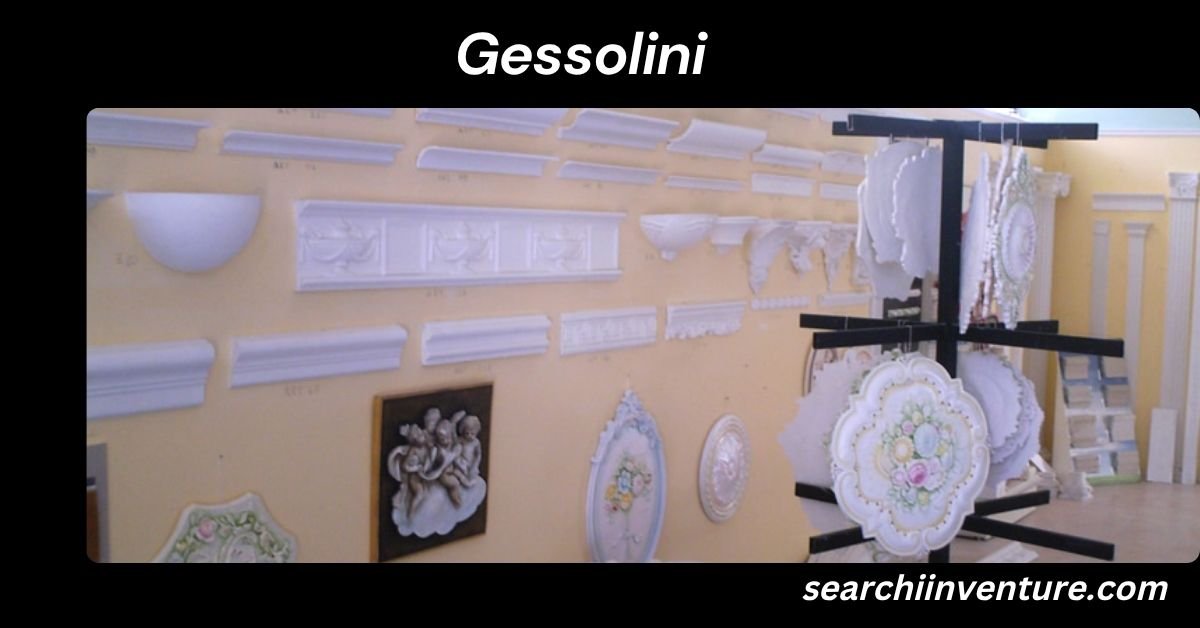
Gessolini: The Understanding, Using, and Choosing the Right Surface Preparation for Artwork
July 7, 2026
Acamento: The Digital Management Framework That Improves Workflow, Collaboration, and Information Management
July 8, 2026
The world of advanced materials continues to evolve, and one innovation attracting increasing attention is Sodiceram. Designed as a next-generation sodium-infused ceramic, sodiceram combines beauty, strength, durability, and high-performance engineering into one versatile material. Unlike traditional ceramics that focus mainly on appearance or basic functionality, sodiceram is developed to meet the growing demands of both luxury design and industrial performance.
Whether it is used in modern homes, commercial buildings, manufacturing plants, healthcare environments, or specialized industrial applications, sodiceram represents a new direction in ceramic technology. It offers an attractive surface while maintaining exceptional durability under demanding conditions.
As industries continue to seek materials that last longer, require less maintenance, and support sustainable construction practices, sodiceram is becoming an increasingly valuable solution.
This comprehensive guide explains everything you need to know about sodiceram, including its composition, manufacturing process, features, benefits, applications, maintenance, environmental impact, future innovations, and much more. Instead of simply repeating existing information, this article provides practical insights into why sodiceram may become one of the most important ceramic materials of the future.
What Is Sodiceram?
Sodiceram is an advanced sodium-infused ceramic engineered to combine visual elegance with outstanding mechanical performance. It belongs to a new generation of technical ceramics that are designed to perform well in environments where ordinary ceramic materials may fail.
The addition of sodium compounds during production helps improve the internal structure of the ceramic. This carefully controlled manufacturing process creates a material that offers enhanced durability, consistent quality, and improved resistance to environmental stress.
Unlike standard ceramic products that are mainly selected for decorative purposes, sodiceram is engineered for both appearance and performance. It is equally suitable for luxury residential interiors and demanding industrial settings.
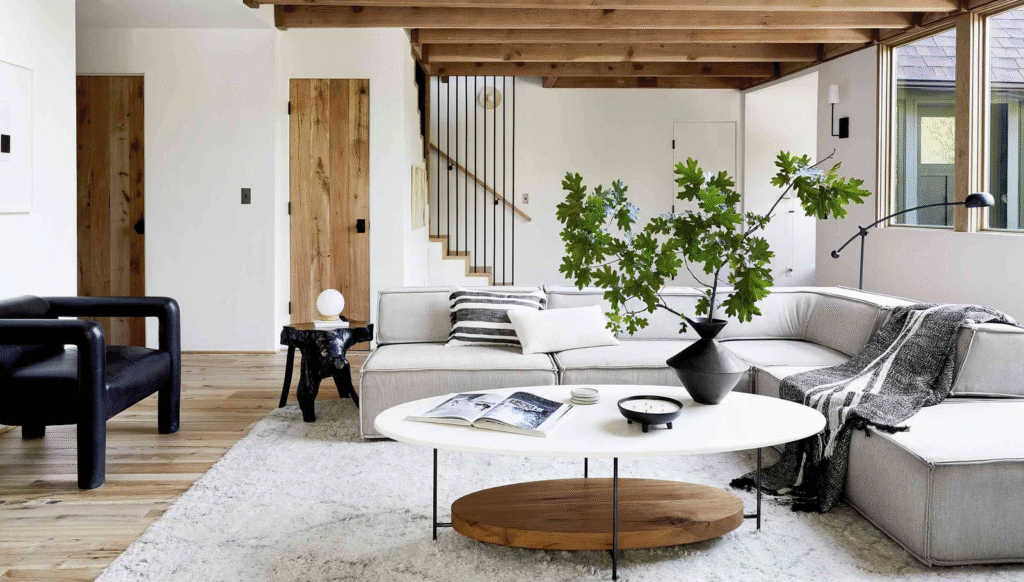
Its growing popularity comes from its ability to satisfy architects, interior designers, engineers, builders, manufacturers, and homeowners with a single material that meets multiple needs.
Understanding the Science Behind Sodiceram
To understand why sodiceram performs differently from conventional ceramics, it helps to look at its engineering principles.
Traditional ceramic products are created from clay and minerals that are shaped and fired at extremely high temperatures. While these products are durable, they often have limitations regarding impact resistance, thermal stability, and structural consistency.
Sodiceram introduces sodium-based compounds into carefully selected ceramic raw materials. During firing, these compounds help optimize the microscopic crystal structure inside the ceramic.
This engineered structure can provide several advantages:
- Better density
- More consistent strength
- Improved resistance to cracking
- Enhanced thermal stability
- Better moisture resistance
- Longer service life
The exact manufacturing formula may vary depending on the intended application, but the overall goal remains the same: creating a ceramic that performs beyond traditional expectations.
Also Read: Gessolini: The Understanding, Using, and Choosing the Right Surface Preparation for Artwork
How Sodiceram Is Manufactured
Creating sodiceram requires precision engineering throughout every production stage.
Raw Material Selection
Manufacturers begin by selecting premium ceramic minerals. These materials are carefully tested to ensure purity and consistency.
Typical ingredients may include:
- Refined clay
- Silica
- Alumina
- Mineral stabilizers
- Sodium-based compounds
- Performance additives
Only high-quality ingredients are used because the final product depends heavily on raw material consistency.
Material Mixing
The ingredients are blended using computer-controlled equipment.
This stage ensures that sodium compounds are distributed evenly throughout the mixture.
Uniform mixing helps eliminate weak points inside the finished ceramic.
Forming
The material is shaped into its intended form using methods such as:
- Dry pressing
- Extrusion
- Injection molding
- Precision casting
The selected process depends on the product’s final application.
Drying
Moisture is slowly removed from the formed product.
Controlled drying prevents distortion and minimizes internal stress before firing.
High-Temperature Firing
The products enter industrial kilns operating at temperatures exceeding 1,000°C.
This stage permanently bonds the ceramic particles into an extremely dense structure.
The sodium infusion contributes to crystal formation during this process.
Surface Finishing
After firing, sodiceram products may receive various finishes, including:
- Polished
- Matte
- Satin
- Textured
- Anti-slip
- Decorative glazing
Each finish serves different design and functional purposes.
Quality Testing
Every batch undergoes extensive testing, including:
- Strength testing
- Water absorption measurement
- Thermal resistance
- Surface hardness
- Chemical resistance
- Dimensional accuracy
- Impact testing
Only products meeting strict quality standards move to market.
Key Features of Sodiceram
One reason sodiceram is gaining recognition is its combination of attractive features.
Outstanding Durability
Its dense internal structure allows it to withstand years of daily use without significant wear.
Elegant Appearance
Sodiceram supports modern architectural trends by offering clean lines, refined finishes, and premium aesthetics.
Excellent Moisture Resistance
Low water absorption helps reduce staining and moisture-related damage.
High Temperature Resistance
It performs well in environments exposed to heat fluctuations.
Scratch Resistance
Its hard surface helps maintain its original appearance over time.
Chemical Resistance
Many cleaning chemicals and industrial substances have little effect on properly manufactured sodiceram.
Easy Maintenance
Its smooth surface simplifies routine cleaning.
Long Service Life
Because of its durability, sodiceram products often require fewer replacements than conventional materials.
Why Sodium Infusion Matters
The sodium component is one of the defining characteristics of sodiceram.
Its controlled inclusion during manufacturing contributes to:
- Better particle bonding
- Improved structural stability
- Enhanced consistency
- Better firing performance
- Greater long-term reliability
Rather than serving as a decorative feature, sodium plays an important engineering role inside the ceramic itself.
Major Benefits of Using Sodiceram
Choosing sodiceram offers numerous practical advantages.
Reduced Maintenance Costs
Its durable surface requires less repair and replacement over time.
Better Return on Investment
Although premium materials often have higher upfront costs, their longevity can lower lifetime ownership expenses.
Consistent Performance
Builders appreciate materials that behave predictably during installation and long-term use.
Attractive Design Options
Sodiceram is compatible with both modern and traditional design styles.
Improved Hygiene
Its dense surface makes cleaning easier, making it suitable for healthcare, hospitality, and food-related environments.
Also Read: Antarvafna: The Complete Guide to Inner Awareness, Self-Reflection, and Lasting Personal Growth
Sustainable Construction
Long-lasting materials contribute to reduced construction waste over time.
Residential Applications of Sodiceram
Modern homeowners increasingly seek materials that balance beauty and functionality.
Sodiceram fits this trend exceptionally well.
Kitchen Countertops
The material provides:
- Heat resistance
- Scratch resistance
- Elegant finishes
- Easy cleaning
Bathroom Walls
Its moisture resistance makes it ideal for humid environments.
Flooring
High durability allows it to withstand years of foot traffic.
Kitchen Backsplashes
Designers appreciate its ability to combine decorative appeal with stain resistance.
Fireplace Surrounds
Heat resistance makes sodiceram suitable for fireplace installations.
Staircases
Its strength supports long-term structural performance.
Outdoor Patios
Weather-resistant versions perform well in exterior environments.
Commercial Applications
Commercial buildings place significant demands on construction materials.
Sodiceram performs well in locations such as:
- Hotels
- Shopping centers
- Office buildings
- Restaurants
- Airports
- Universities
- Museums
- Hospitals
- Banks
- Retail stores
Its durability helps reduce maintenance costs in high-traffic areas.
Industrial Applications
Industrial facilities often expose materials to difficult operating conditions.
Sodiceram can be used for:
- Machine foundations
- Chemical processing environments
- Heat-resistant panels
- Manufacturing equipment components
- Industrial flooring
- Control rooms
- Laboratory surfaces
- Production facilities
Its combination of strength and chemical resistance makes it valuable across multiple industries.
Sodiceram in Luxury Interior Design
Interior designers value materials that combine sophistication with practical performance.
Sodiceram allows designers to create spaces featuring:
- Large-format wall panels
- Designer flooring
- Luxury bathrooms
- Modern kitchens
- Feature walls
- Decorative columns
- Reception desks
- Hotel lobbies
- Executive offices
Its premium appearance supports upscale architectural projects.
Architectural Advantages
Architects increasingly select materials based on lifetime performance rather than appearance alone.
Sodiceram supports modern architecture through:
- Dimensional stability
- Long-lasting color
- Minimal maintenance
- Flexible design options
- Sustainable construction goals
It integrates well into both residential and commercial developments.
Performance Under Extreme Conditions
One area where sodiceram stands out is environmental stability.
It performs well under:
- High temperatures
- Cold climates
- Humid environments
- Heavy traffic
- Continuous use
- UV exposure
- Mechanical stress
This versatility expands its potential applications.
Surface Finish Options
Manufacturers offer multiple finishes depending on project requirements.
Popular finishes include:
Polished Finish
Provides a reflective luxury appearance.
Matte Finish
Creates a modern, understated design.
Textured Finish
Improves grip in wet areas.
Satin Finish
Balances elegance with practicality.
Natural Stone Look
Replicates premium stone without many of its maintenance challenges.
Concrete Look
Popular in contemporary architecture.
Wood-Inspired Finish
Combines wood aesthetics with ceramic durability.
Comparing Sodiceram to Traditional Ceramic
Traditional ceramics remain excellent materials, but sodiceram introduces several improvements.
Traditional ceramic often focuses on decoration, while sodiceram combines appearance with advanced engineering.
Traditional ceramic may require more maintenance over time.
Sodiceram typically offers greater consistency, durability, moisture resistance, and long-term performance.
Its advanced manufacturing process also allows greater quality control.
Sodiceram vs Porcelain
Although porcelain is highly durable, sodiceram introduces additional engineering advantages depending on the formulation.
Potential differences include:
- Enhanced structural consistency
- Specialized industrial performance
- Greater design flexibility
- Advanced material engineering
- Improved resistance under demanding conditions
Both materials have valuable applications, but sodiceram aims to expand performance beyond traditional ceramic products.
Sustainability and Environmental Benefits
Sustainability has become a major priority across the construction industry.
Sodiceram supports environmentally responsible practices through several characteristics.
Long Product Life
Long-lasting materials reduce waste.
Lower Replacement Frequency
Fewer replacements mean fewer raw materials consumed over time.
Durable Construction
Buildings remain functional longer with fewer repairs.
Efficient Manufacturing
Modern production technologies continue improving energy efficiency.
Also Read: Pyjamaspapper: Everything You Need to Know About This Emerging Digital Trend
Recyclable Material Potential
Many ceramic materials can be recycled into aggregate or reused in construction applications.
Maintenance Tips
Proper maintenance helps maximize the lifespan of sodiceram.
Recommended practices include:
- Sweep regularly.
- Wipe spills quickly.
- Use mild cleaning products.
- Avoid unnecessary impact from heavy objects.
- Clean grout periodically if installed as tiles.
- Inspect high-traffic areas occasionally.
- Follow manufacturer maintenance recommendations.
Fortunately, maintenance requirements remain relatively low.
Common Misconceptions About Sodiceram
Several myths surround advanced ceramic materials.
Myth 1: It Is Fragile
While ceramics can break under severe impact, engineered sodiceram is designed for exceptional durability.
Myth 2: It Is Only Decorative
It serves many industrial and engineering applications.
Myth 3: It Requires Special Cleaning
Routine household cleaners are often sufficient.
Myth 4: It Is Too Expensive
Although premium products may cost more initially, long-term savings often offset the investment.
Myth 5: It Cannot Be Used Outdoors
Many formulations are specifically engineered for exterior environments.
Industries That May Benefit Most from Sodiceram
Many sectors are well-positioned to adopt sodiceram.
These include:
- Construction
- Architecture
- Interior design
- Hospitality
- Manufacturing
- Healthcare
- Food processing
- Transportation
- Education
- Commercial real estate
- Luxury residential development
Each industry benefits from its balance of aesthetics and performance.
Future Innovations in Sodiceram
Material science continues to advance rapidly.
Future developments may include:
- Smarter manufacturing processes
- Greater customization
- Enhanced sustainability
- Improved thermal performance
- Self-cleaning surface technologies
- Nano-engineered coatings
- Digital production optimization
- Larger format panels
- Improved impact resistance
These innovations could further expand the role of sodiceram across global industries.
Expert Insights: Why Sodiceram Represents the Next Generation of Ceramic Materials
Many advanced construction materials focus either on strength or appearance. Sodiceram is different because it aims to optimize both. This balanced approach reflects where the construction industry is heading.
Today’s architects, engineers, and property owners expect materials to do more than simply look attractive. They want products that reduce maintenance costs, support sustainability goals, improve long-term value, and deliver reliable performance for decades.
Also Read: Smoothiepussit: The Complete Guide to Healthy, Portable Nutrition for Busy Lifestyles
From an engineering perspective, the sodium-infused design philosophy suggests a move toward more specialized ceramic formulations that solve real-world problems rather than simply improving aesthetics. As research into advanced ceramics continues, materials like sodiceram may become increasingly common in both premium residential projects and highly technical industrial environments.
Another important trend is lifecycle thinking. Instead of focusing only on installation costs, builders now evaluate how much a material will cost over 20 to 50 years. Because sodiceram is designed for durability, resistance to wear, and low maintenance, it has the potential to provide better overall value during the life of a building.
For homeowners, this means fewer repairs and a surface that maintains its appearance. For businesses, it can translate into lower operational costs and reduced downtime caused by maintenance or replacement. These practical advantages are likely to play a major role in the growing popularity of sodiceram in the years ahead.
How to Choose the Right Sodiceram Product
Not every project requires the same type of ceramic solution. Consider these factors before selecting a sodiceram product:
- Identify whether the installation is for indoor or outdoor use.
- Consider the expected foot traffic or mechanical load.
- Choose a finish that matches both the design style and safety requirements.
- Review moisture, heat, and chemical exposure conditions.
- Verify the product’s technical specifications and installation guidelines.
- Purchase from reputable manufacturers or authorized distributors.
- Work with experienced installers to ensure proper fitting and long-term performance.
Choosing the right product for the environment helps maximize durability and overall satisfaction.
Conclusion
Sodiceram represents an exciting advancement in ceramic technology by combining sophisticated design with high-performance engineering. As a next-generation sodium-infused ceramic, it offers an impressive balance of durability, beauty, moisture resistance, thermal stability, and long-term reliability.
Its versatility allows it to serve a wide range of applications, from luxury homes and commercial buildings to industrial facilities that demand dependable performance. Beyond its visual appeal, sodiceram reflects the future of modern construction materials by emphasizing sustainability, reduced maintenance, and lifetime value.
As research and manufacturing technologies continue to improve, sodiceram is expected to play an increasingly important role in architecture, interior design, engineering, and advanced manufacturing. Whether you are planning a residential renovation, designing a commercial property, or specifying materials for an industrial project, sodiceram offers a forward-looking solution that meets today’s expectations while preparing for tomorrow’s challenges.
Frequently Asked Questions About Sodiceram
What makes sodiceram different from regular ceramic?
Sodiceram is engineered with sodium-infused technology that enhances structural performance while maintaining an attractive appearance. It is designed for both decorative and demanding technical applications.
Is sodiceram suitable for luxury homes?
Yes. Its premium finishes, durability, and modern appearance make it an excellent choice for upscale residential interiors.
Can sodiceram be used in industrial environments?
Yes. Depending on the product specification, sodiceram can be used in manufacturing facilities, laboratories, processing plants, and other demanding industrial settings.
Does sodiceram require sealing?
Some installations may not require sealing due to the material’s dense surface, while others may benefit from protective treatments based on the environment and finish.
Is sodiceram resistant to fading over time?
High-quality sodiceram products are designed to maintain their appearance even after years of regular use when properly maintained.
Can sodiceram be customized for large architectural projects?
Yes. Many manufacturers can produce different sizes, colors, textures, and finishes to meet the needs of custom commercial and residential developments.
Is sodiceram compatible with radiant floor heating?
In many cases, yes. Its thermal stability makes it a suitable material for use with radiant heating systems when installed according to manufacturer recommendations.
Can sodiceram contribute to green building certifications?
Depending on its manufacturing process and sourcing, sodiceram may support sustainability goals and contribute to environmentally responsible building projects.
How long can sodiceram last?
With proper installation and maintenance, sodiceram can provide reliable performance for decades, making it a long-term investment for both residential and commercial properties.
Is sodiceram a good investment for future construction?
For projects that prioritize durability, aesthetics, low maintenance, and lifecycle value, sodiceram offers strong potential as a next-generation ceramic material suitable for the evolving demands of modern construction.