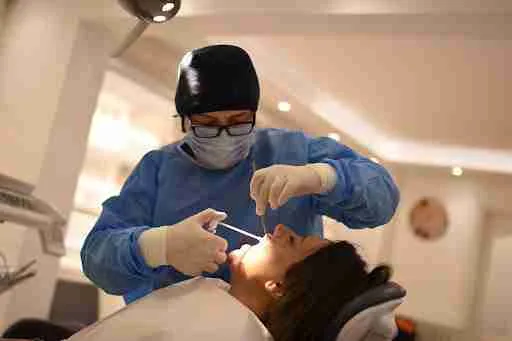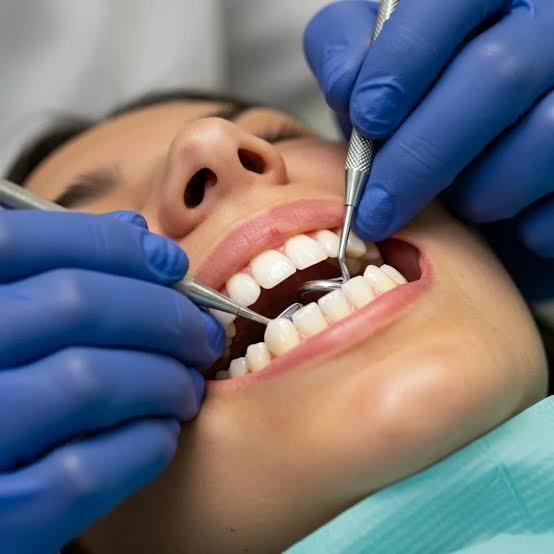

Cosmetic Dentistry Treatments: A Complete Guide to a Beautiful and Healthy Smile
July 10, 2026
Claude Edward Elkins Jr: Executive Leadership, Career Journey, and Lasting Impact on Norfolk Southern and the North American Rail Industry
July 10, 2026
Introduction
Your toothbrush is one of the most important tools for keeping your teeth and gums healthy. While brushing twice a day is essential, using the best toothbrush for healthy teeth can make your daily routine even more effective. A good toothbrush removes plaque, protects your gums, prevents cavities, and helps you maintain a bright smile for years.
With so many toothbrushes available today, choosing the right one can feel confusing. Some are manual, while others are electric. Some have soft bristles, and others have medium or hard ones. There are also toothbrushes designed specifically for sensitive teeth, braces, or children.
This guide explains everything you need to know about selecting the best toothbrush for healthy teeth. You’ll learn which features matter most, how to brush correctly, and what habits keep your mouth healthy.
Why Your Toothbrush Matters
Many people think that every toothbrush works the same way, but that’s not true. The quality and design of your toothbrush directly affect how well it cleans your teeth.
A good toothbrush helps:
- Remove plaque effectively
- Prevent tooth decay
- Reduce gum disease
- Remove food particles
- Freshen your breath
- Protect tooth enamel
- Improve overall oral hygiene
Using the wrong toothbrush may not clean your teeth properly and could even damage your gums or enamel if it’s too hard.
What Makes the Best Toothbrush for Healthy Teeth?
The best toothbrush isn’t always the most expensive one. Instead, it should match your dental needs and be comfortable to use.
Here are the most important features to look for.
1. Soft Bristles
Dentists recommend soft bristles for most people.
Soft bristles:
- Clean effectively
- Protect enamel
- Prevent gum irritation
- Reach between teeth more easily
Hard bristles may seem like they clean better, but they can wear down enamel and cause gum recession over time.
2. Comfortable Handle
A toothbrush should feel comfortable in your hand.
Look for:
- Non-slip grip
- Lightweight design
- Easy control while brushing
- Comfortable size
A comfortable handle helps you brush longer and more thoroughly.
3. Small Brush Head
A smaller brush head reaches areas that larger heads cannot.
Benefits include:
- Better access to back teeth
- Easier cleaning around wisdom teeth
- Improved cleaning near the gumline
4. Rounded Bristle Tips
Rounded bristle ends are gentler on gums.
They help:
- Reduce irritation
- Prevent scratches
- Improve comfort while brushing
Manual vs Electric Toothbrush
One common question is whether a manual or electric toothbrush is better.
Manual Toothbrush
Advantages:
- Affordable
- Easy to carry
- No batteries needed
- Available almost everywhere
A manual toothbrush works very well if you brush properly for two minutes.
Electric Toothbrush
Advantages:
- Removes plaque efficiently
- Built-in timers
- Easier for people with limited hand movement
- Encourages better brushing habits
Electric toothbrushes can be especially helpful for people with braces, arthritis, or those who struggle with brushing technique.
Best Bristle Type
There are three common types of bristles.
Soft
Recommended for nearly everyone.
Medium
May work for some people but should only be used if recommended by a dentist.
Hard
Usually not recommended because they can damage enamel and gums.
Soft bristles remain the safest choice for healthy teeth.
How Often Should You Replace Your Toothbrush?
Even the best toothbrush becomes less effective over time.
Replace your toothbrush:
- Every three to four months
- After recovering from an illness
- If the bristles become bent
- If the brush looks worn out
Old bristles cannot remove plaque as effectively.
Proper Brushing Technique
Having the best toothbrush for healthy teeth won’t help much if you brush incorrectly.
Follow these steps:
- Wet the toothbrush.
- Apply a pea-sized amount of fluoride toothpaste.
- Hold the brush at a 45-degree angle to your gums.
- Brush gently using small circular motions.
- Clean every surface of every tooth.
- Brush your tongue.
- Brush for two full minutes.
- Rinse your mouth.
Avoid brushing too hard because aggressive brushing can harm your gums.
Choosing a Toothbrush for Sensitive Teeth
People with sensitive teeth should choose:
- Extra-soft bristles
- Small brush head
- Gentle cleaning action
- Ergonomic handle
Electric toothbrushes often include sensitive modes that reduce brushing pressure.
Toothbrushes for Children
Children need toothbrushes designed specifically for their age.
Choose one with:
- Soft bristles
- Small head
- Easy-to-hold handle
- Fun colors to encourage brushing
Parents should supervise brushing until children can brush effectively on their own.
Toothbrushes for Braces
Braces create many places where food and plaque can collect.
Look for:
- Orthodontic toothbrushes
- Electric toothbrushes
- Soft bristles
- Compact brush head
Cleaning around brackets carefully helps prevent cavities and stains.
Common Toothbrush Mistakes
Many people unknowingly reduce the effectiveness of brushing.
Avoid these mistakes:
Brushing Too Hard
Brushing harder doesn’t clean better.
Using Old Toothbrushes
Worn bristles clean poorly.
Brushing Too Quickly
Spend at least two minutes brushing.
Forgetting the Tongue
Bacteria on the tongue cause bad breath.
Sharing Toothbrushes
Never share a toothbrush because bacteria can spread.
Tips for Keeping Your Toothbrush Clean
Your toothbrush stays in your bathroom every day, so proper care matters.
Keep it clean by:
- Rinsing thoroughly after use
- Letting it air dry
- Storing it upright
- Avoiding closed containers when wet
- Keeping it away from the toilet if possible
Do not soak your toothbrush in mouthwash every day because it may damage the bristles.
Signs You Need a New Toothbrush
Replace your toothbrush if:
- Bristles are frayed
- It feels rough
- Cleaning becomes less effective
- It has an unpleasant smell
- It’s older than four months
Fresh bristles clean much better than worn ones.
Healthy Habits Along with a Good Toothbrush
Even the best toothbrush works best when combined with healthy habits.
Remember to:
- Brush twice daily.
- Floss every day.
- Use fluoride toothpaste.
- Drink plenty of water.
- Eat less sugary food.
- Visit your dentist every six months.
- Avoid smoking.
- Replace your toothbrush regularly.
These habits work together to protect your teeth and gums.
Can an Expensive Toothbrush Make a Big Difference?
Price alone doesn’t determine quality.
Many affordable toothbrushes clean teeth very well if they have:
- Soft bristles
- Comfortable handle
- Small brush head
- Good brushing technique
Some premium electric toothbrushes offer additional features like pressure sensors, timers, and multiple brushing modes, but a simple manual toothbrush can also provide excellent results when used correctly.
Final Thoughts
Finding the best toothbrush for healthy teeth doesn’t have to be difficult. The ideal toothbrush is one that fits comfortably in your hand, has soft bristles, and helps you clean every part of your mouth without damaging your gums or enamel. Whether you choose a manual or electric toothbrush, the most important factor is using it correctly and consistently.
Healthy teeth require more than just the right toothbrush. Brushing twice a day, flossing daily, eating a balanced diet, limiting sugary foods, and visiting your dentist regularly all play a key role in maintaining a strong, beautiful smile. By making smart choices and practicing good oral hygiene every day, you can enjoy healthier teeth and gums for years to come.
Frequently Asked Questions (FAQs)
1. What is the best toothbrush for healthy teeth?
Most dentists recommend a toothbrush with soft bristles, a small brush head, and a comfortable handle. Both manual and electric toothbrushes can effectively clean teeth when used properly.
2. Is an electric toothbrush better than a manual toothbrush?
Electric toothbrushes can remove plaque more efficiently and often include helpful features like timers and pressure sensors. However, a manual toothbrush can be just as effective if you brush correctly for two minutes.
3. How often should I replace my toothbrush?
Replace your toothbrush every three to four months or sooner if the bristles become frayed or worn. It’s also a good idea to replace it after recovering from an illness.
4. Are hard-bristle toothbrushes better for cleaning teeth?
No. Hard bristles can damage tooth enamel and irritate your gums. Soft bristles are generally recommended because they clean effectively while being gentle on your mouth.
5. Can the right toothbrush help prevent cavities?
Yes. Using the right toothbrush with proper brushing techniques helps remove plaque and food particles, reducing the risk of cavities and gum disease when combined with fluoride toothpaste and regular flossing.