
Innovative Approaches to Pain Management in Modern Healthcare
August 31, 2026
Rehabilitation Strategies After Ankle Injuries
August 31, 2026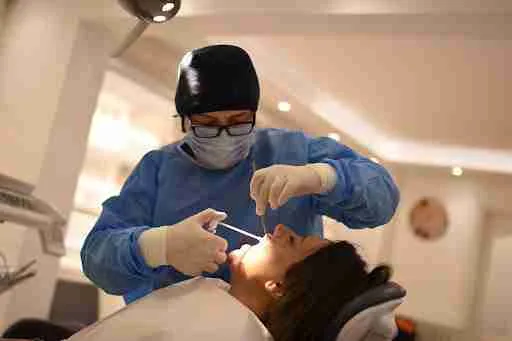
A dental implant is a small titanium post that a specialist places into your jawbone to replace a missing tooth root. Once the post fuses with the bone, it supports a crown that looks and works like a natural tooth. Here is a closer look at recovery after visiting a dental implant specialist:
Managing Early Recovery
Some swelling and mild soreness are common; a cold compress applied to your cheek can help manage that discomfort. Your dental implant specialist will give you specific guidance, and following the directions closely supports healing. Avoid rinsing forcefully or touching the area with your tongue as the site settles. During this window, you may need to stick to soft foods and lukewarm liquids, and keep your head slightly elevated when you rest. Bite gently on any gauze your specialist provides, and change it as instructed to control minor bleeding.
Tracking Osseointegration
Osseointegration is the process in which your jawbone grows around the implant and locks it firmly in place. This stage is the foundation of a successful implant, and it usually unfolds over several weeks to a few months. Your progress depends on your health, your bone quality, and how well you follow aftercare instructions.
The Early Fusion Phase
In the early weeks, your bone cells begin attaching to the implant surface. Swelling fades during this time, and everyday comfort improves as the tissue calms down. Your dental implant specialist may schedule a check-up to confirm the site is healing as planned. Gentle care remains key, and you should protect the area from pressure or hard foods.
The Full Integration Phase
Full integration can take three to four months, though timelines vary from person to person. During this phase, the implant becomes stable enough to support a permanent crown. Your specialist will test the implant to confirm a strong bond before moving to the final restoration.
Maintaining Home Care
Good daily habits protect your implant and support your recovery, so treat your routine as part of the treatment. Brush gently around the site, and use any rinse your specialist recommends to keep the area clean. Skip smoking during recovery, and limit foods that may disturb the healing tissue.
Your diet matters as much as your cleaning routine; soft and nourishing foods make the early days easier. Choose options like yogurt, eggs, soup, and mashed vegetables, and reintroduce firmer foods as you improve. Chew on the opposite side of your mouth while the implant settles, and drink plenty of water throughout the day.
Contacting Your Specialist
Most recoveries go smoothly, but certain signs require prompt attention. Knowing what to watch for helps you act quickly, and it keeps small issues from worsening. You should call your specialist if you experience the following:
- Persistent or heavy bleeding: Minor oozing fades after some time, but bleeding that continues or increases needs review.
- Severe pain: Mild soreness eases over time, so pain that worsens after a few days may signal a problem.
- Swelling that spreads: Some puffiness is normal, but swelling that extends or moves beyond the site warrants a check.
- Fever or a warm feeling: A high temperature may point to infection, and you should tell your specialist soon.
- A loose implant: The post should feel stable, so any movement calls for a professional evaluation.
Consult a Dental Implant Specialist Today
Dental implants offer a reliable and lasting solution for tooth replacement, but proper care and attention to potential warning signs are fundamental for success. Watch for unusual symptoms such as persistent pain, swelling, fever, or implant instability. Addressing these issues early supports the best possible outcome. Contact a qualified dental implant specialist near you to schedule your consultation today.