
Respite Care for Family Caregivers: A Complete Guide to Rest, Support, and Better Care
July 10, 2026
Best Toothbrush for Healthy Teeth: A Complete Guide to Choosing the Right One
July 10, 2026
Introduction
Your smile is one of the first things people notice about you. A bright, healthy smile can improve your confidence, help you make a great first impression, and even encourage better oral hygiene habits. Unfortunately, many people feel uncomfortable about stained teeth, chipped enamel, gaps, or uneven smiles. The good news is that modern cosmetic dentistry treatments offer safe and effective solutions for nearly every dental concern.
Cosmetic dentistry is no longer just for celebrities. Today, people of all ages choose cosmetic dental procedures to improve the appearance of their teeth while also supporting better oral health. Whether you want whiter teeth, a straighter smile, or to repair damaged teeth, there is a treatment that can meet your needs.
In this guide, you’ll learn what cosmetic dentistry is, the most popular treatments available, their benefits, costs, recovery, and how to choose the right dentist for your smile makeover.
What Is Cosmetic Dentistry?
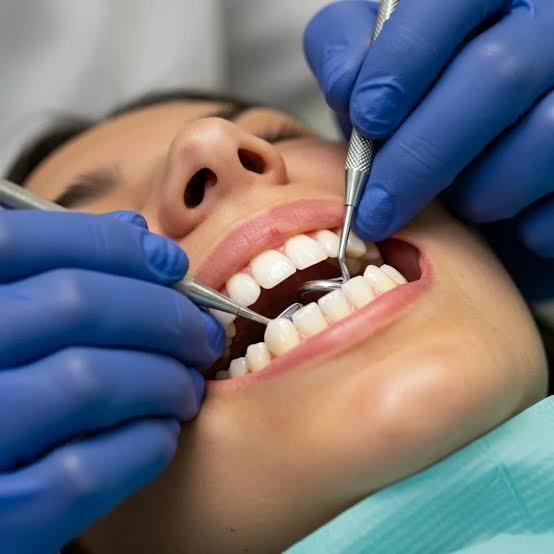
Cosmetic dentistry is a branch of dentistry that focuses on improving the appearance of your teeth, gums, and smile. While general dentistry treats dental diseases and oral health problems, cosmetic dentistry enhances the color, shape, size, alignment, and overall look of your teeth.
Many cosmetic procedures also provide functional benefits. For example, repairing a cracked tooth not only improves appearance but also protects it from further damage.
Modern cosmetic dentistry combines advanced technology, artistic skill, and personalized treatment planning to create natural-looking results.
Who Can Benefit from Cosmetic Dentistry Treatments?
Many people are good candidates for cosmetic dentistry. You may benefit if you have:
- Yellow or stained teeth
- Chipped or cracked teeth
- Crooked teeth
- Gaps between teeth
- Uneven tooth sizes
- Worn-down teeth
- Missing teeth
- Old metal fillings
- Misshaped teeth
Before starting cosmetic treatment, your dentist will ensure your teeth and gums are healthy. Problems such as cavities or gum disease should usually be treated first.
Popular Cosmetic Dentistry Treatments
1. Teeth Whitening
Professional teeth whitening is one of the most common cosmetic dental procedures.
Over time, teeth become stained from coffee, tea, red wine, smoking, and aging. Professional whitening safely removes deep stains and makes teeth several shades brighter.
Benefits
- Quick procedure
- Noticeable results
- Safe under dental supervision
- Boosts confidence
- Affordable compared to other treatments
Professional whitening usually provides longer-lasting and more even results than over-the-counter whitening products.
2. Dental Veneers
Dental veneers are thin shells made from porcelain or composite resin that cover the front surface of teeth.
They are ideal for improving:
- Tooth discoloration
- Small gaps
- Chipped teeth
- Slightly crooked teeth
- Uneven tooth shapes
Porcelain veneers are especially popular because they closely resemble natural tooth enamel and resist stains.
Advantages
- Natural appearance
- Durable
- Long-lasting
- Minimal maintenance
- Instant smile transformation
With proper care, porcelain veneers can last well over a decade.
3. Dental Bonding
Dental bonding uses tooth-colored resin to repair cosmetic imperfections.
The dentist shapes the resin directly onto the tooth before hardening it with a special curing light.
Bonding is commonly used to repair:
- Small chips
- Minor cracks
- Gaps
- Tooth discoloration
- Short teeth
This treatment is one of the fastest and most affordable cosmetic procedures.
4. Invisalign and Clear Aligners
Crooked teeth affect both appearance and oral health.
Instead of traditional braces, many adults prefer clear aligners like Invisalign.
These transparent trays gradually move teeth into better positions while remaining nearly invisible.
Benefits include:
- Comfortable
- Removable
- Easy to clean
- Nearly invisible
- No food restrictions
Treatment time depends on the complexity of each case.
5. Dental Crowns
Crowns are tooth-shaped caps placed over damaged teeth.
Although crowns are often restorative, they also improve appearance by restoring the tooth’s shape, size, and color.
Crowns are recommended for:
- Broken teeth
- Large fillings
- Root canal-treated teeth
- Severely worn teeth
Modern ceramic crowns blend naturally with surrounding teeth.
6. Dental Implants
Missing teeth can affect chewing, speaking, and confidence.
Dental implants replace both the tooth root and the visible crown.
An implant consists of:
- Titanium implant
- Abutment
- Custom dental crown
Dental implants are considered one of the most permanent solutions for missing teeth.
Advantages
- Natural appearance
- Strong chewing ability
- Long lifespan
- Prevents bone loss
- Supports facial structure
7. Gum Contouring
Sometimes the problem isn’t the teeth—it’s the gums.
People with a “gummy smile” often benefit from gum contouring.
Using laser technology or traditional methods, the dentist reshapes excess gum tissue to reveal more of the teeth.
Recovery is usually quick, and the results are immediate.
8. Tooth-Colored Fillings
Old silver fillings can make teeth look dark or outdated.
Composite resin fillings match the natural tooth color, making them almost invisible.
Many people choose to replace old metal fillings with tooth-colored alternatives for a more attractive smile.
Benefits of Cosmetic Dentistry Treatments
Cosmetic dentistry offers much more than appearance improvements.
Some major benefits include:
Improved Confidence
Many people smile more often after cosmetic treatment because they feel proud of their appearance.
Better Oral Health
Straighter teeth are easier to brush and floss, reducing the risk of cavities and gum disease.
Younger Appearance
Bright white teeth often make people appear younger.
Long-Term Results
Many cosmetic procedures provide results that last for years with proper care.
Improved Function
Some treatments restore chewing ability, speech, and bite alignment while improving appearance.
How to Choose the Right Cosmetic Treatment
The best cosmetic dentistry treatment depends on your individual goals.
Consider the following questions:
- What bothers you most about your smile?
- What is your budget?
- Are you looking for a quick improvement or a complete makeover?
- How long do you want the results to last?
A consultation with an experienced cosmetic dentist helps determine the best treatment plan for your needs.
Are Cosmetic Dentistry Treatments Safe?
Yes.
Modern cosmetic dental procedures are considered very safe when performed by qualified dental professionals.
Dentists use advanced materials, digital imaging, and precise techniques to minimize discomfort and achieve natural-looking outcomes.
However, maintaining good oral hygiene and attending regular dental checkups remain essential for lasting results.
How Long Do Results Last?
The lifespan varies depending on the treatment.
Approximate longevity includes:
- Teeth whitening: 6 months to 3 years
- Dental bonding: 3–10 years
- Veneers: 10–15 years or longer
- Crowns: 10–15 years
- Dental implants: 20 years or more, often a lifetime with proper care
- Invisalign results: Long-lasting with regular retainer use
Good oral hygiene significantly extends the life of cosmetic dental work.
Caring for Your New Smile
To protect your investment:
- Brush twice daily using fluoride toothpaste.
- Floss every day.
- Visit your dentist regularly.
- Avoid smoking.
- Limit coffee, tea, and dark-colored drinks if you’ve had whitening.
- Wear a mouthguard if you grind your teeth.
- Avoid biting hard objects like ice or pens.
Simple daily habits can help maintain your beautiful smile for many years.
Are Cosmetic Dentistry Treatments Expensive?
Costs vary depending on the procedure and the complexity of treatment.
Simple procedures like teeth whitening and bonding are generally more affordable, while veneers, implants, and full smile makeovers require a larger investment.
Many dental clinics now offer flexible payment plans, making cosmetic dentistry more accessible to a wider range of patients.
Remember that improving your smile is often a long-term investment in both your confidence and oral health.
Conclusion
Modern cosmetic dentistry treatments have transformed the way people improve their smiles. From professional teeth whitening and veneers to dental implants and Invisalign, there are solutions for nearly every cosmetic concern.
A beautiful smile is about more than appearance—it can improve confidence, support better oral health, and enhance your overall quality of life. By choosing a qualified cosmetic dentist and maintaining excellent oral hygiene, you can enjoy long-lasting results that help you smile with confidence every day.
If you’ve been thinking about improving your smile, schedule a consultation with a cosmetic dentist to discuss your options and create a personalized treatment plan that fits your goals and budget.
Frequently Asked Questions (FAQs)
1. What is the most popular cosmetic dentistry treatment?
Professional teeth whitening is the most popular cosmetic dental treatment because it is quick, affordable, and provides noticeable improvements in smile brightness.
2. Are cosmetic dentistry treatments painful?
Most cosmetic procedures involve little to no pain. Dentists often use local anesthesia or modern techniques to keep patients comfortable during treatment.
3. How long do cosmetic dental treatments last?
The lifespan depends on the treatment. Whitening may last months to a few years, while veneers, crowns, and dental implants can last many years with proper care.
4. Can cosmetic dentistry improve oral health?
Yes. Many treatments, such as straightening teeth, replacing missing teeth, and repairing damage, can improve oral function and make daily cleaning easier, supporting better dental health.
5. Who is a good candidate for cosmetic dentistry?
Anyone with healthy teeth and gums who wants to improve the appearance of their smile may be a good candidate. A dental consultation can determine the most suitable treatment options.