
Lifestyle Practices To Alleviate Fibromyalgia Symptoms
August 31, 2026
When Is Medical Help Beneficial for Weight Loss?
August 31, 2026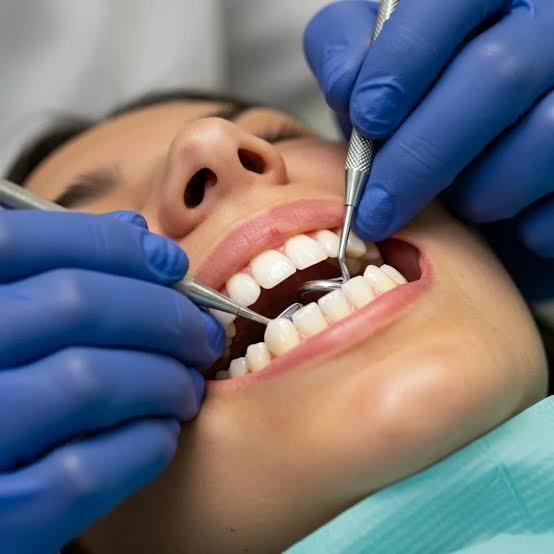
Dental implants have changed how missing teeth are replaced. They offer a stable foundation, and they support crowns or bridges that function like natural teeth. Modern tools now guide each step, so treatment is more predictable. If you have a missing tooth, a loose crown, or a shifting bite, new methods can help.
Assessment and Treatment Planning
Dental implants begin with a careful look at your mouth. They assess your oral health, and they build a treatment plan around your needs. Because each mouth is different, they review your gums, bone, and bite before they recommend anything, so your plan fits you. A missing tooth or visible gap often prompts this first visit. Digital scans now map your mouth in detail. These images guide decisions, and they help you understand what comes next. If bone volume is low, they discuss options first, so you always know where you stand.
Some patients need additional preparation, and they walk through each step with you clearly. They also review your dental and medical history at this stage. Certain health conditions may affect healing, so discuss them early in planning. This thorough review helps set realistic timelines while keeping your care on track from the start. X-rays and 3D imaging give a complete picture of your oral structure. This step gives you answers, and it sets a solid foundation for what follows.
Specialist Collaboration in Placement
Placing an implant takes teamwork. They work with trusted specialists, and together they position the implant securely in the bone. Because precision matters, they combine planning and surgical skill so the implant sits where it should. Guided placement tools improve accuracy, and digital guides help the specialist follow the path they planned. Sometimes the implant is sound, and only the restoration needs replacing. In other cases, a deeper evaluation is needed. They take the time to get it right.
- Guided surgical tools reduce the margin of error during implant placement.
- Specialists review your 3D imaging before the procedure to confirm positioning.
- Coordinated care between your dentist and specialist shortens overall treatment time.
- Post-placement check-ins help confirm the implant is integrating with the bone properly.
Restoration Design and Fit
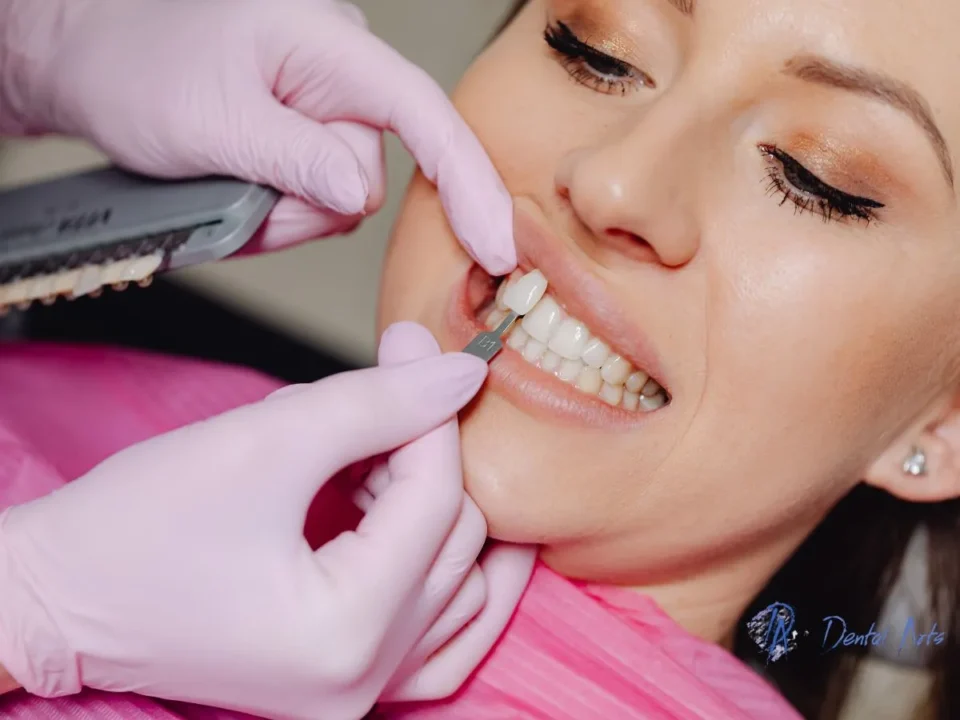
The final stage brings your smile together, since it needs to be cohesive. They design and place your final crown or bridge for a smooth, natural finish. They shape each restoration to match your teeth so it blends in and restores your bite. Discomfort or changes after tooth loss often ease once the restoration is set. These restorations are strong, and they are crafted to last through daily use. You select shade, shape, and size carefully, so the crown looks like it belongs. They balance aesthetics and function in every restoration they place. Your team will check the fit carefully before they finalize anything. They test your bite and make small adjustments until it is right. If something is off after you leave, please return so they can correct it promptly. Most patients settle in quickly. Color matching is another step they take.
Discuss Dental Implants Today
Innovations in implants make treatment clearer and more comfortable than before. They blend modern tools with steady values, and they guide you at every step. If you notice a gap, a loose crown, or a shifting bite, reach out today. Call your office to book your evaluation. Your next step starts with one simple conversation.