
Tips for Living an Active Lifestyle With Asthma
September 1, 2026
Tips for Living With Sciatica
September 1, 2026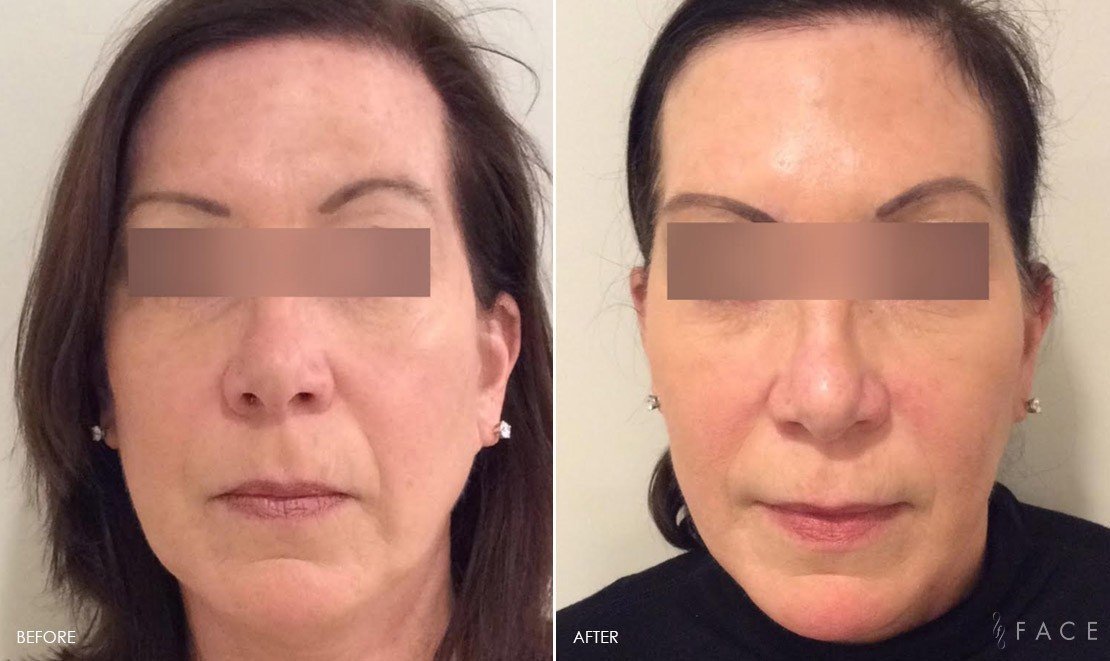
Dermal fillers are gel-like substances injected beneath the skin. They are most commonly made from hyaluronic acid, and they restore volume that fades with age. Filler formulas vary in thickness and structure, so each type suits specific areas, and providers select the right one based on your goals.
Understand Your Filler Options
Thinner gels flow easily, while thicker gels hold shape in deeper tissue. Softer formulas suit delicate zones like the lips and under-eye hollows. Firmer formulas support the cheeks, and dense formulas define the jawline and chin. Your provider matches each formula to the treatment area. This careful selection influences how natural the result looks. Most dermal fillers use hyaluronic acid as their base, but cross-linking technology varies between brands. Some formulas also include lidocaine, a mild numbing agent, which makes injection more comfortable. Common formula types include:
- Standard hyaluronic acid: Soft, versatile, and reversible; suited to lips, under-eyes, and fine lines
- Cross-linked hyaluronic acid: Firmer structure that provides lift; used in cheeks and the jawline
- Lidocaine-infused formulas: Same base as standard fillers, with added comfort during injection
- Collagen-stimulating fillers: Work gradually to build new collagen; results can last longer than hyaluronic acid options
Explore Your Treatment Areas
The cheeks receive volume, and the lips gain shape through targeted placement. Under-eye hollows benefit from soft gels, while nasolabial folds and marionette lines respond to smoothing techniques that lift and soften the surface. The jawline and chin gain definition when firmer fillers add structure. This sculpting can improve balance across your features. Each area calls for a specific approach. Discuss your priorities during your consultation. Each treatment zone has a different goal. Cheek fillers restore youthful fullness and lift the midface. Lip fillers add shape, symmetry, and subtle volume. Under-eye treatment targets hollowness and shadow, and the result is a more rested appearance.
Know Your Expected Results
Filler results appear immediately after treatment. You see added volume and smoother contours right away. The effect lasts several months, but the duration depends on the filler type, the treated area, and your metabolism. Softer gels in mobile zones like the lips tend to fade sooner. Firmer gels in stable areas like the cheeks often last longer. Follow-up sessions help maintain your results. Your provider can advise on timing since you should know what to expect. Mild swelling and bruising are common in the first few days after treatment, but these effects settle quickly.
The final result becomes clearer once any initial swelling resolves. This typically happens within one to two weeks, and most people return to their normal routine the same day. Downtime is minimal for most treatments. Longevity also depends on how your body processes the filler. Discussing your goals thoroughly before treatment helps you choose the right approach. Your provider will refine the plan at each visit.
Schedule Dermal Fillers Today
Dermal fillers offer a range of formulas for different goals. Choosing the right type depends on the area you want to treat, and a professional assessment guides that decision. Schedule a consultation to review your options, ask questions about formulas and areas, and build a plan that suits your face. Since a qualified provider will explain the process clearly, you can move forward informed and prepared.