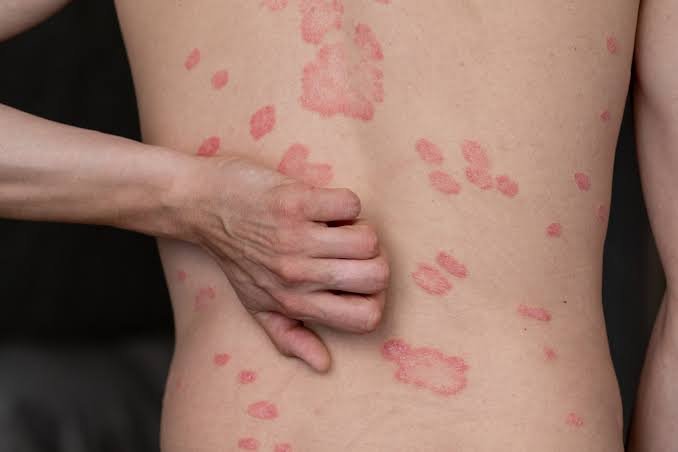

Exploring Treatments for Plantar Warts
September 1, 2026
Exploring Different Types of Dermal Fillers
September 1, 2026
Asthma is a chronic condition that narrows your airways. It can make breathing difficult during activity. You can still stay active, but you will need guidance. Since small daily habits make movement more comfortable over time, make a plan.
Medication Use and Management
Medications support your breathing during activity. Talk with your provider about using an inhaler during physical activity, and keep it close. Some people use an inhaler before a workout to prevent symptoms from starting. Others use it only when symptoms appear, so your plan may differ from another person’s. Ask your provider which approach fits your situation best. If allergens trigger your asthma, medication can help reduce flare-ups during exercise. Your provider can help you decide which treatments fit your health and activity goals. Tracking your symptoms helps too. Keep a log of when symptoms appear, what activity you were doing, and how your medication helped. This gives your provider clear information, and it helps you spot patterns that may be affecting your workouts. Follow your prescribed schedule, and only adjust it with your provider’s guidance.
Habits for Daily Management
These habits can help you stay active with fewer interruptions:
- Start with low-intensity activity, and increase your effort gradually as your body adapts.
- Warm up for five to ten minutes before picking up intensity, and cool down slowly at the end.
- Choose well-tolerated activities like swimming, walking, or cycling for steady, controlled breathing.
- Wear a scarf or mask over your mouth in cold air to help warm the air before it reaches your lungs.
Spend five to ten minutes on light movement before increasing intensity, and cool down slowly at the end. Abrupt effort changes can trigger symptoms, so a gradual pace gives your lungs time to respond. Listen to your body, and stop if breathing becomes uncomfortable. The type of activity you choose also matters. High-intensity sports or cold-weather activities may trigger symptoms, so check conditions before you start. Wearing a scarf or mask in cold air can help warm the air before it reaches your lungs. Talk with your provider about which activities are best for your fitness level and asthma history.
Environment and Your Triggers
Because your surroundings affect your triggers both indoors and outdoors, pay attention when you feel symptoms. Keeping your home clean removes dust and other particles from the air. An air conditioner filters air and controls temperature, and a dehumidifier lowers moisture that can worsen symptoms. Check your environment before you exercise at home. Outdoor air quality also plays a role. Check your local air quality index before heading out, and move your workout indoors when levels are elevated. Your exercise space matters as much as the air you breathe.
Avoid areas near heavy traffic, construction sites, or other known sources of pollution. If you exercise indoors at a gym, look for well-ventilated spaces with clean filters. Mold and strong chemical odors from cleaning products can also trigger symptoms, so choose spaces that are odor-free and well-maintained. A clean, controlled environment gives you the best conditions to stay active with asthma.
Discuss Asthma Treatment Today
Asthma should not stop you from staying active. Build a routine that fits your body and your triggers. Combine medication, healthy habits, and a clean environment, and monitor how you feel during each activity. At the first sign of a problem, see your care team for an evaluation. They can adjust your plan as your needs change. Schedule an appointment today to start moving.