

Urgent Dental Issues To Watch Out For
August 29, 2026
Lifestyle Practices To Alleviate Fibromyalgia Symptoms
August 31, 2026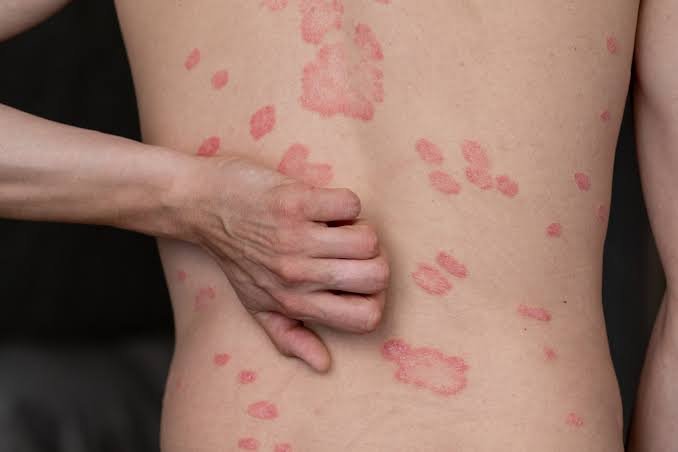
A mild allergic reaction can cause symptoms such as itching, hives, swelling, or nasal congestion. Urgent care providers can assess these symptoms, identify possible triggers, and provide appropriate treatment to prevent the reaction from worsening. Here is a closer look at how urgent care can assist with mild allergic reactions:
Assessing Symptoms and Severity
The first step at urgent care involves reviewing your symptoms and measuring how serious the allergic reaction is. A provider asks what you touched, ate, or breathed, and notes when the signs began. Common signs include hives, itching, mild swelling, and skin redness, though a clinician also checks for more serious signs.
Providers also ask about your medical history and any past reactions. They check your breathing, pulse, and blood pressure to confirm the reaction is mild. If the signs point to a severe response, the staff act quickly, or they direct you to emergency care when needed.
Providing Symptom Relief
Once the team understands your condition, they focus on easing your discomfort. Treatment for an allergic reaction depends on the severity and the type of symptoms you present with. Here are two common approaches providers use.
Medication Support
Providers often turn to medication to calm the body’s response and reduce swelling. Antihistamines may lessen itching and hives, while other treatments can address inflammation. A clinician selects the option that matches your symptoms, and they explain how each one works.
Observation and Care
Some patients benefit from staying at the clinic for a short period after treatment. Staff can monitor your response and adjust care if new signs appear. This hands-on approach lets providers act fast if your condition changes, and it also gives you reassurance that trained professionals are nearby.
Monitoring Treatment Response
After treatment begins, the urgent care team tracks how your body responds. They check whether swelling has decreased and confirm that your breathing is stable. This is a key part of care, and it helps the provider decide whether you can go home safely. Close observation helps the team detect changes before they become a bigger problem. Staff may repeat certain checks over a set period to confirm the treatment is working. If your symptoms improve, they prepare you for discharge with clear next steps.
Guiding Aftercare and Prevention
The team shares guidance to help you recover and avoid future reactions before you leave. Good aftercare reduces the chance of a repeat allergic reaction, and it prepares you for what may come next. Here are some common recommendations:
- Identify your triggers: The provider helps you pinpoint what caused the reaction so you can avoid it.
- Follow medication instructions: Take any prescribed medicine exactly as directed.
- Watch for returning signs: Staff will explain which symptoms mean you should seek care again.
- Contemplate allergy testing: A referral for testing can confirm your specific allergies.
- Keep emergency contacts ready: Fast access to help matters when a reaction appears without warning.
Address Your Allergic Reaction Today
Managing allergic reactions requires recognizing symptoms and utilizing treatments such as antihistamines or epinephrine. Be proactive by creating an allergy action plan and keeping emergency contacts readily accessible. You should also follow up with your regular doctor to maintain long-term care. Contact a local urgent care facility to book your appointment or walk in to address your allergic reaction today.