
What To Know About Arthritis
August 28, 2026
Benefits of Comprehensive Family Planning Services
August 28, 2026
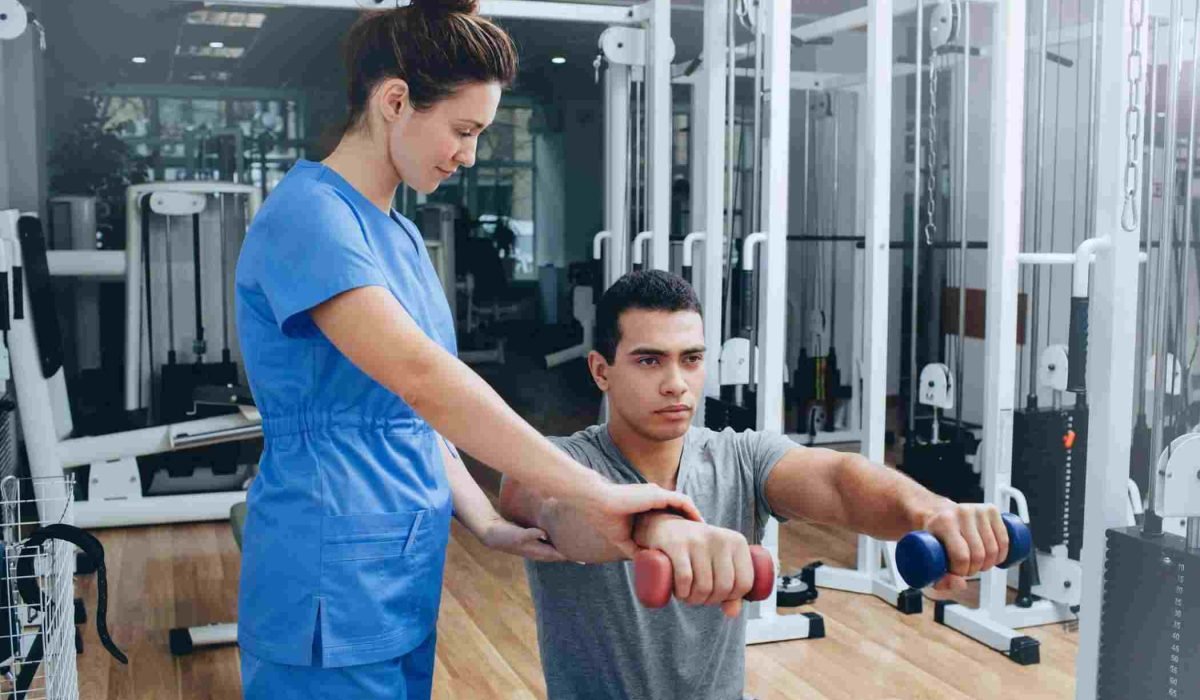
Personal training pairs you with a certified coach, and they can help plan your workouts. A trainer studies your movement patterns and builds routines around your current abilities. When you work with someone who tracks your progress, you gain a clearer view of your habits, and this structure shapes how you exercise over time. Here is more information about enhancing this service:
Setting Realistic Goals
Clear goals give your personal training direction. A trainer helps you define targets that match your schedule, and they break large aims into smaller steps. When you set a target you understand, you follow the plan with fewer doubts. Small milestones keep the process measurable.
Specific numbers make progress easier to track. You might aim to walk a set distance, and you might add a few pounds to a lift each month. Your trainer records each result. Since goals stay clear, you know exactly what to work toward.
Adjusting to Your Fitness Level
Your program starts where your body is today. A trainer reviews your baseline, and they scale each exercise to fit your range. When your strength shifts, the plan shifts with it. This keeps the work matched to your ability.
Adjustments happen for many reasons throughout your training. A trainer might change your routine based on these factors:
- Recent injuries or joint limits
- Energy levels on a given day
- Progress since your last session
- Feedback you share during a workout
Small changes keep sessions manageable. Your trainer explains why each adjustment happens, and you learn how your body responds. Since you understand the reasoning, you stay engaged with the process.
Collaborating With Your Trainer
Training works best as a two-way effort. You bring knowledge of your body, and your trainer brings technical guidance. When both sides share information, the plan grows more accurate. Collaboration keeps the process grounded in your reality.
Your input shapes each session. You describe how a routine felt, and your trainer uses that detail for the next plan. Since you contribute regularly, the program reflects your actual experience. This exchange builds a steady working rhythm.
A trainer explains each choice, and you follow with questions when something is unclear. When you understand the plan, you take part with more clarity. That shared understanding supports steady work. Trust develops through consistent effort.
Communicating Concerns
Open communication shapes safer sessions. You describe what feels uncomfortable, and your trainer adjusts the movement in response. When you speak up early, you avoid strain before it grows. Honest feedback guides each decision.
Some concerns come up often during training. You might mention any of these to your trainer:
- Pain during a specific movement
- Difficulty with breathing or pacing
- Confusion about proper form
- Concerns about a past injury
Speaking directly helps your trainer respond well. Your coach listens, and they modify the plan to fit what you report. As you share details, your sessions stay aligned with your needs.
Schedule Personal Training Today
Personal training gives you structure, feedback, and a clear plan. You meet with a coach who tracks your progress, and they adjust each routine to match your level. When you commit to regular sessions, you build a consistent approach to exercise. Contact a certified trainer near you and schedule your first session this week.