

Tips for Couples Facing Unexplained Infertility
July 22, 2026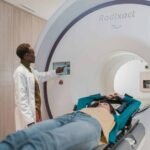
How Spine Neurosurgeons Utilize Imaging Techniques for Diagnosis
July 30, 2026
Obstructive sleep apnea can interrupt breathing during sleep, reduce sleep quality, and contribute to daytime fatigue. Pulmonary rehab may support people with this condition by improving breathing efficiency and exercise capacity. Here are some potential benefits of pulmonary rehab for obstructive sleep apnea:
Breathing and Endurance
Breathing muscles, like any other muscles, respond to consistent training. Pulmonary rehab uses targeted exercises to build respiratory strength and physical endurance. A trained therapist guides each movement, and the program adjusts as your capacity grows.
Effective Breathing Techniques
Breathing technique training teaches you how to move air more efficiently. Therapists introduce methods such as pursed-lip and diaphragmatic breathing; these techniques help you lower the effort each breath requires. You practice under supervision, then you transfer the skills into your daily routine.
Physical Conditioning
Physical conditioning uses walking, cycling, or light resistance work to raise your stamina. The sessions start gently, and the intensity increases only when your body is ready. A therapist monitors your oxygen levels and heart rate, so the program stays within safe limits. Stronger endurance can make errands, stairs, and light chores become less demanding.
Sleep and Daytime Energy
Fragmented sleep drains energy, and obstructive sleep apnea often leaves patients tired throughout the day. Pulmonary rehab can support better rest by strengthening the muscles that keep your airway stable during sleep, and it pairs this work with healthy activity habits. When your body moves more during the day, you may find that nighttime rest improves. Better sleep, in turn, can raise your alertness and mood after you wake.
Daytime energy matters for the tasks you value most. A consistent rehab routine helps regulate your activity levels, and regular movement can reduce the heavy fatigue that patients often experience. Your care team reviews how you feel each week, then they adjust the plan to match your progress.
Weight and Heart Health
Weight and heart health connect closely with sleep apnea, and pulmonary rehab addresses them through structured activity. Regular exercise supports weight management; modest weight loss may ease pressure on your airway during sleep. The program combines movement with education on daily habits, so you gain practical tools. Your therapist keeps the workload safe, and this careful approach protects you while you build strength.
Heart health also benefits from consistent and monitored exercise. The cardiovascular training in rehab strengthens your heart and improves circulation. These changes help your body use oxygen more effectively. A care team tracks your vital signs during each session, so you stay within a comfortable range.
Integration and Safety
Safe participation depends on the right preparation and ongoing support. Here are key guidelines you can follow for your program:
- Complete an initial assessment. A care team reviews your medical history, current symptoms, and fitness level before you start.
- Coordinate with your sleep specialist. Share your sleep apnea diagnosis and any devices you use, so your rehab plan aligns with your existing treatment.
- Start at a manageable pace. Begin with lighter sessions, and let the intensity increase only as your therapist recommends.
- Track your symptoms. Note changes in breathing, energy, and sleep, and report them at each visit so the team can adjust your plan.
- Attend sessions consistently. Regular participation builds consistent progress, and it gives your care team the data they need to fine-tune your program.
Book Your Pulmonary Rehab Appointment
Pulmonary rehabilitation is a comprehensive approach to improving your respiratory health and overall well-being. Understanding the program’s benefits, tracking your symptoms, and attending sessions consistently can help you maximize the impact of your treatment. Contact a qualified pulmonologist near you to book your pulmonary rehab appointment today.

